

Digging a Little Deeper, into Your Soil
Every year, farmers talk about cutting costs, reducing waste, and getting more bang for their buck.
One of the simplest ways to do that doesn’t come from a new product, fancy technology, or the next best planter — it comes from the soil itself.
Soil sampling isn’t shiny, glamorous, or necessarily exciting, but it’s the foundation of every good fertility plan. When inputs are high and margins are tight, it’s one of the few tools that can both save money and boost your ROI, when done correctly and consistently.
Soil Sampling Matters, in Good Economic Times and Bad
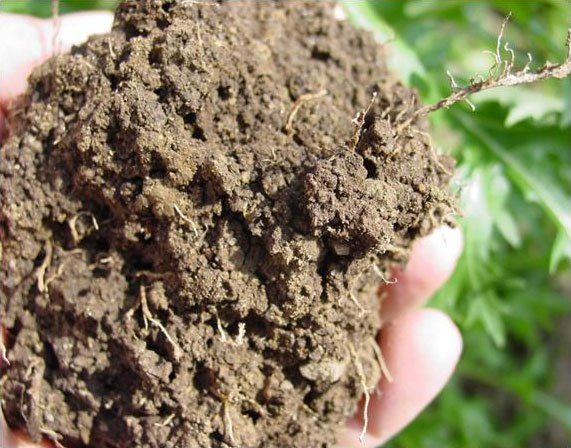
Your soil is your farm’s stomach. Every time you grow a crop or spread fertilizer, you’re either feeding it or asking it to burn stored energy. Without soil testing, you don’t know if it’s craving a good steak or running on empty — you’re just hoping there’s enough fuel left to feed the next crop.
Why does sampling matter?
- Sampling allows you to know what is already in your soil. It’s hard to manage what you don’t measure. Would you ever put gas in your truck when it’s already full? Probably not, because you’d be wasting fuel and money. Getting your soil tested gives you the real numbers on nutrients, pH, and organic matter; details that should drive every fertility decision.
- Avoid over- and under-application. Over-applying fertilizer causes reduced ROI and high input costs. Under-applying reduces yield. Regular sampling puts you in control to maximize profits and yields.
- Keep up with change. Weather swings, crop rotations, and manure can all shift nutrient levels. What was true three or four years ago may not be true today.
- Protect your soil health. Tracking nutrients over time helps you detect problems, such as acidification, organic matter loss, nutrient mining before they cost you yield or worse, profits.
How can more frequent sampling pay off in the long run?
It is still pretty standard to see soil samples pulled every 4-5 years. This frequency works when markets are stable, inputs are lower, and weather patterns are more predictable. Now, none of that is necessarily the case. Markets change by the hour it seems like, inputs are through the roof, and Mother Nature is always throwing a curve ball. All of which will play a role in determining yield and ROI.
What should the sampling frequency be and why?
We have seen the best return on sampling every other year. This allows for a trend to be developed more quickly, keep on consistent crop rotations, and allows for a more economical approach over every year sampling.
- Catch Problems Early: Deficiencies build slowly. By the time you see it in the combine, it’s already cost you. More frequent testing catches issues early and keeps small problems small.
- Fine-Tune Fertility Spending: Fresh soil data means fertilizer dollars go exactly where they’re needed. With a longer sampling cycle, it’s harder (and more expensive) to make long term (4-5 year) fertilizer decisions. Think of fertilizer, grain, land, fuel, and labor prices 5 years ago compared today. Would your decisions be the same?
- See Year-to-Year Differences: Drought, floods, and residue levels all affect nutrient cycling. Sampling more often shows what actually changed instead of guessing.
- Prove ROI and Sustainability: Regular testing gives you a record of improvement, something you can use for government or carbon programs, or simply to prove your management is working.
How to get the most from soil sampling?
Getting the data is one thing. Getting good data is another. Here’s what matters:
- Stay consistent. Sample the same area, depths, and timing/season each time. Consistency beats perfection.
- Use GPS or zone sampling. Even basic zones by soil type, yield, or elevation can make results more accurate.
- Choose one lab. Consistent methods give consistent results — switching labs mid-cycle can skew comparisons.
- Keep consistent records. Note fields, zones, and years. Over time, that history becomes one of your most valuable management tools.
- Work with an independent consultant. A good consultant doesn’t sell products, they help you make better decisions. Amplify consultants are independent crop advisors who work for your bottom line, not to meet sales goals. They’ll push your thinking, interpret the data, and make sure your fertilizer plan makes sense for your acres. And remember, free apps, testing, or advice rarely come without a cost; it just shows up somewhere else, like your fertilizer bill.
Turning Data into Action
Sampling is step one. The real payoff comes when you put the numbers to work:
- Adjusting lime and fertility plans for profitability and productivity, based on facts not feelings, before buying them.
- Setting realistic yield goals that match your soil’s ability and your budget.
- Track how your soil is changing over time to be able to better predict the outcome in fall, instead of hoping for the best.
If you’ve got a trusted agronomist or Amplify consultant, sit down and go over your results. The conversation quickly shifts from what should I apply? to what’s the smartest way to spend input dollars this year?
Where do Brookside Labs and the Amplify Network Fit In?
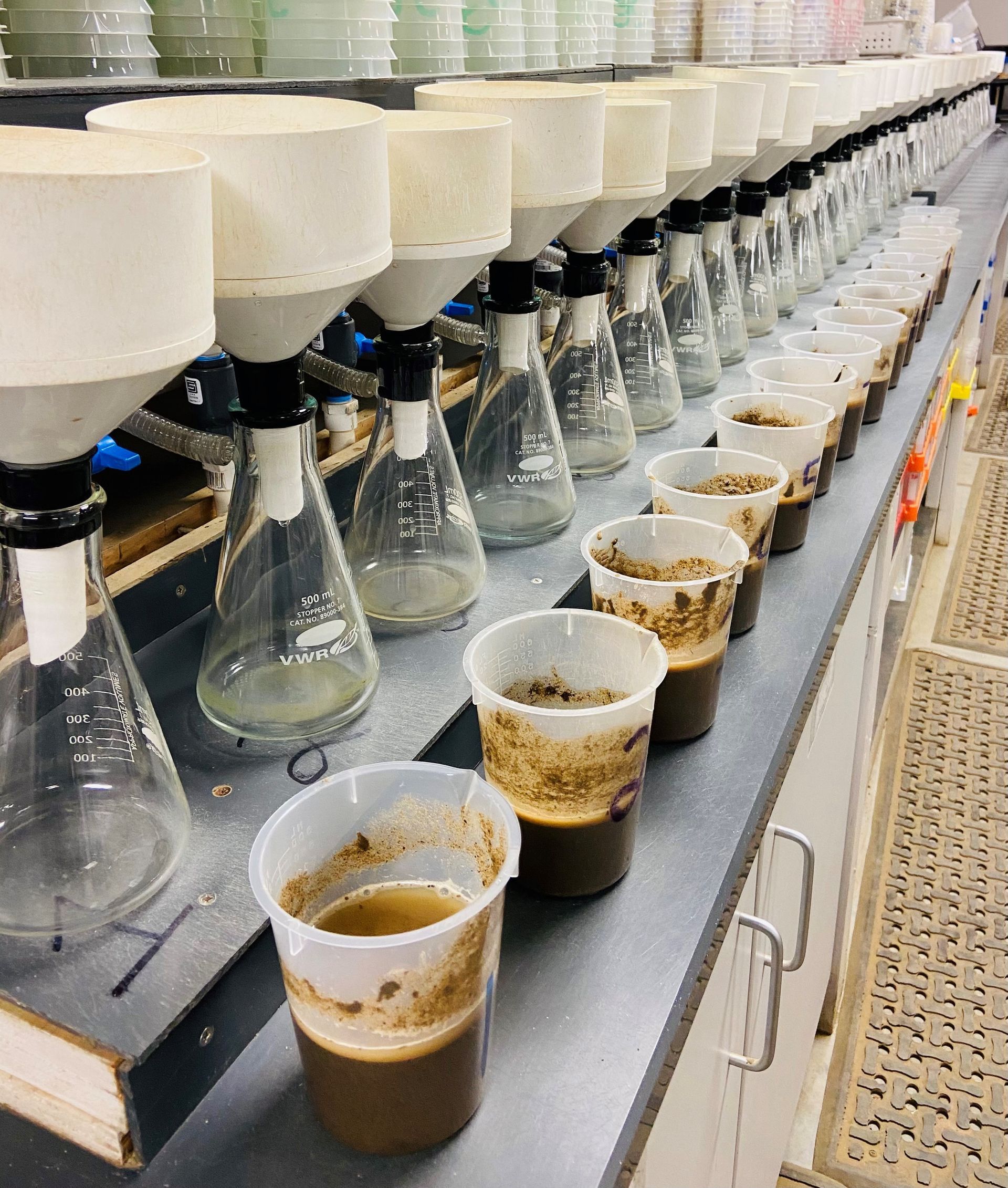
Behind every good soil test is a good laboratory, and Brookside Labs has been that trusted partner for decades. Hundreds of Amplify Consultants and thousands of farmers rely on Brookside Labs’ high-quality, consistent results across millions of acres each year.
The Amplify Network is made up of independent, vetted crop consultants who share one mindset: “If my services aren’t making you money, I’ll fire myself.” They bring the expertise, honesty, and independence that turn lab results into profit-driven decisions.
And tying it all together is AIPro, the data management system that makes it seamless for Amplify Consultants to submit samples to Brookside Labs, create recommendations, and give clients clear visibility into every step. Farmers can see results, track trends, and follow fertility plans all in one place. It’s a complete system built to make soil (and other agronomic) testing and the decisions that follow simpler, smarter, and more profitable.
The Bottom Line
In a world of high input costs and low market prices, margins are tight and guessing is expensive. Soil sampling is the cheapest insurance you can buy, and the more often you do it, the better it pays.
Your soil talks every season. The question is, are you listening often enough?
Luke Baker, PhD
CEO/President
Brookside Labs | Amplify Network