

Brookside Labs Meets NRCS CEMA 216 Soil Health Testing Requirements
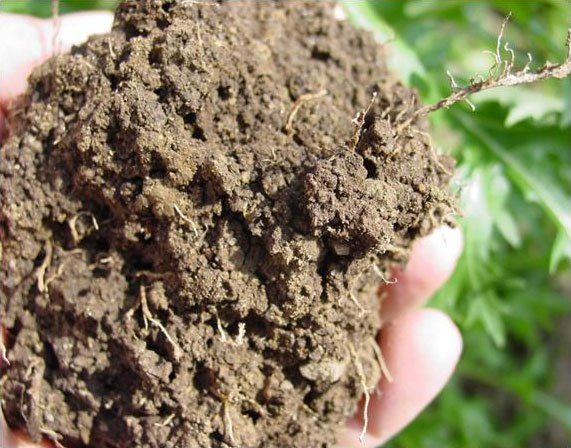
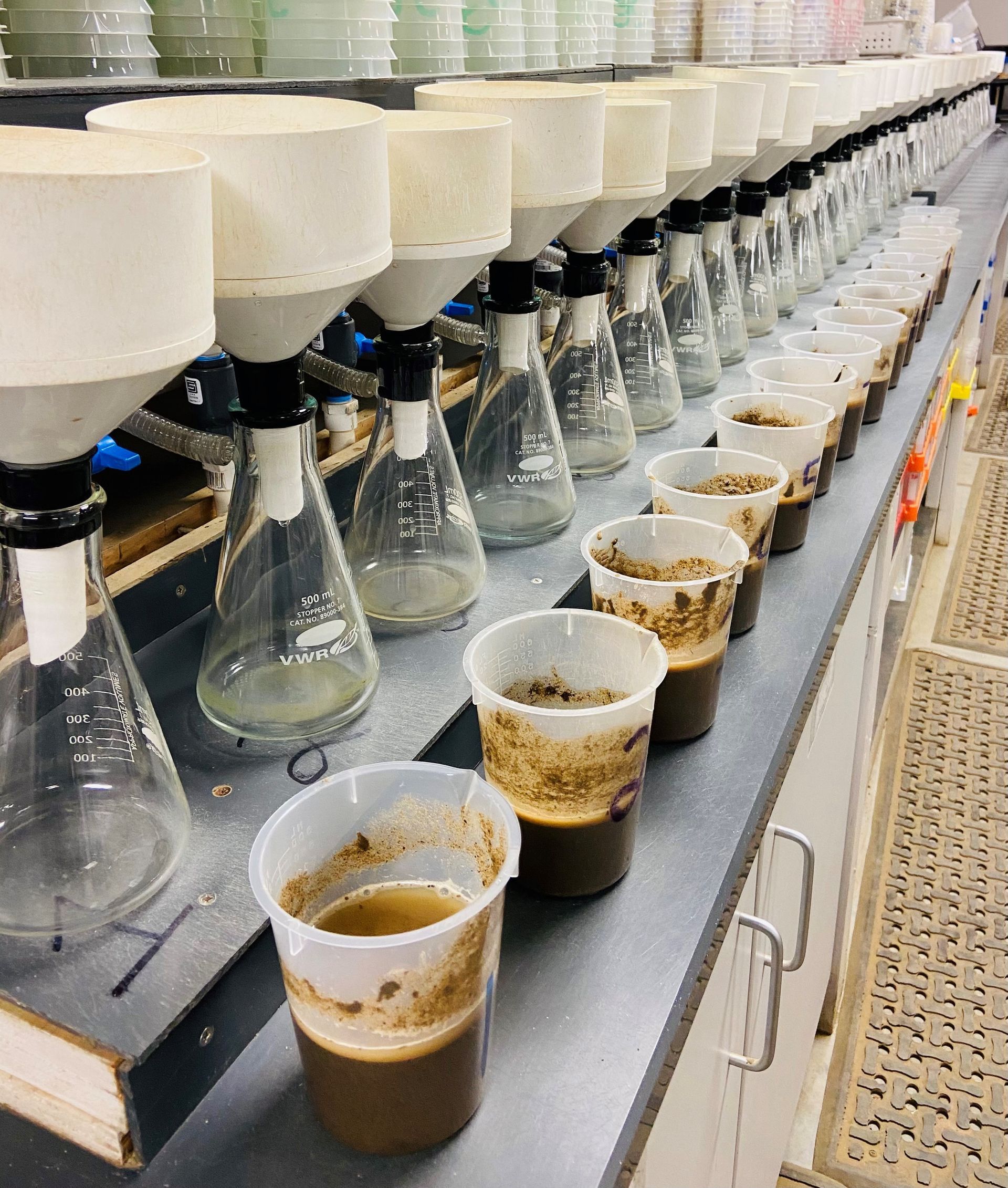
Soil health testing is an important tool for understanding how soils function and how management practices may influence those functions over time. Brookside Labs offers the soil health testing capabilities needed to support testing under the USDA Natural Resources Conservation Service (NRCS) Conservation Evaluation and Monitoring Activity 216 (CEMA 216).
For producers, conservation professionals, crop consultants, and other agricultural professionals working with NRCS programs, understanding what CEMA 216 requires, and what a laboratory can provide, is an important first step.
What Is CEMA 216?
CEMA 216, or Conservation Evaluation and Monitoring Activity – Soil Health Testing, is an NRCS activity that provides a framework for quantitatively evaluating the biological, chemical, and physical characteristics of soil using approved laboratory methods. The activity can be used across land uses and is designed to help evaluate soil health in relation to conservation objectives. CEMA 216 establishes requirements for soil sampling, laboratory testing, documentation, interpretation, and reporting.
The current April 2026 version of CEMA 216 identifies five soil processes and characteristics that must be assessed when evaluating the status of the soil ecosystem:
- Soil aggregation
- Soil carbon cycling
- Microbial activity
- Carbon food source for microorganisms
- Nitrogen food source for organisms
Soil pH and texture are also measured to help interpret the soil health indicators.
What Does CEMA 216 Require?
For each of the five soil processes, CEMA 216 identifies a preferred laboratory method as well as an approved alternate method. NRCS also provides approved alternate methods for several of these indicators, including calculated SOC from loss-on-ignition organic matter, 96-hour incubation for respiration, water-extractable organic carbon, and water-extractable organic nitrogen.
This flexibility allows participants and their Qualified Individuals to select appropriate laboratory methods while maintaining consistency with the CEMA 216 requirements.
Brookside Labs' Soil Health Testing Options
Brookside Labs offers all five of the soil processes/characteristics outlined in Table 1 of the CEMA 216 NRCS document.
This includes testing for:
- Wet aggregate stability | Test code: S273
- Soil organic carbon | Test code: S139
- Soil respiration | Test code: S113
- Labile carbon/POXC | Test code: S241
- ACE Protein | Test code: S242
Brookside also offers soil pH and soil texture testing to support interpretation of soil health indicators.
Beyond a Single Soil Health Number
One of the important concepts behind CEMA 216 is that soil health is not represented by a single test. Different indicators provide information about different soil functions.
- Wet aggregate stability provides information about the physical soil environment and is related to water infiltration, carbon and nutrient storage, biological activity, and erosion.
- Soil organic carbon is related to soil structure and fertility and provides food for soil microbes.
- Soil respiration provides an indication of microbial activity, while labile carbon measures carbon that is readily available to microorganisms.
- ACE Protein provides information related to protein readily available to microbes.
Looking at multiple indicators together can provide a more complete picture of how a soil is functioning.
Consistency Is Key
CEMA 216 can also be used to monitor the effects of conservation practices over multiple years. When monitoring changes over time, NRCS recommends consistency in several areas, including:
- Using the same georeferenced sampling locations
- Using the same sampling strategy
- Collecting soil under similar soil conditions
- Sampling at the same time of year
- Using the same laboratory, tests, and methods
Maintaining consistency helps make changes in soil health indicators more meaningful from one sampling period to the next.
Sampling Matters
The laboratory test is only one part of a successful soil health assessment. CEMA 216 provides specific guidance for developing a sampling strategy and collecting samples. NRCS recommends contacting the laboratory before going to the field to obtain laboratory-specific recommendations for soil temperature, soil moisture, storage, shipping times, and other requirements for the indicators being analyzed.
CEMA 216 generally calls for at least three representative sampling locations within the planning land unit, with each composite sample consisting of at least five subsamples. The CEMA 216 document also provides guidance on sampling depth, equipment, sample handling, and conditions to avoid when collecting samples.
For soil health testing, proper sampling and handling are just as important as selecting the appropriate laboratory analysis.
What Brookside Labs Provides—and What the QI Provides
It is important to understand the distinction between laboratory testing and the overall CEMA 216 activity. CEMA 216 requires a Qualified Individual (QI) to perform and document the broader work associated with the activity. This includes developing the sampling strategy, documenting the work, interpreting results, and preparing the required deliverables for the participant and NRCS. Brookside Labs provides the laboratory testing component.
The NRCS CEMA 216 document also specifies laboratory certification requirements and requires laboratories to maintain current certification through an accepted proficiency or accreditation program. Brookside Labs meets the laboratory requirements for CEMA 216 testing and offers the required soil health analyses to support the activity.
Soil Health Testing Through Brookside Labs
Whether you are completing a full soil health assessment, monitoring a conservation practice, or looking at an individual soil health indicator, Brookside Labs offers a range of testing options to help generate meaningful soil health data. Our goal is to provide reliable laboratory results that can be used by producers, crop consultants, conservation professionals, and NRCS partners as part of a broader soil health assessment and management process.
Questions about CEMA 216 testing or which Brookside Labs test is right for your project? Call the Brookside Labs soil testing laboratory and ask for Heather:
- 419-977-2766
Or email Heather directly:
We can help answer questions about available soil health analyses, sample requirements, and which Brookside Labs' testing options may fit your CEMA 216 project.
Note: CEMA 216 is an NRCS conservation activity with requirements beyond laboratory testing. Producers and conservation professionals should coordinate with their Qualified Individual and local NRCS office to ensure that sampling, testing, documentation, interpretation, and deliverables meet the requirements of the specific CEMA 216 activity.
Heather Rindler, CCA
Brookside Labs | Amplify Network | American Agricultural Laboratory