

Soil Samping Isn't an Expense
Soil Sampling is a Profit Strategy
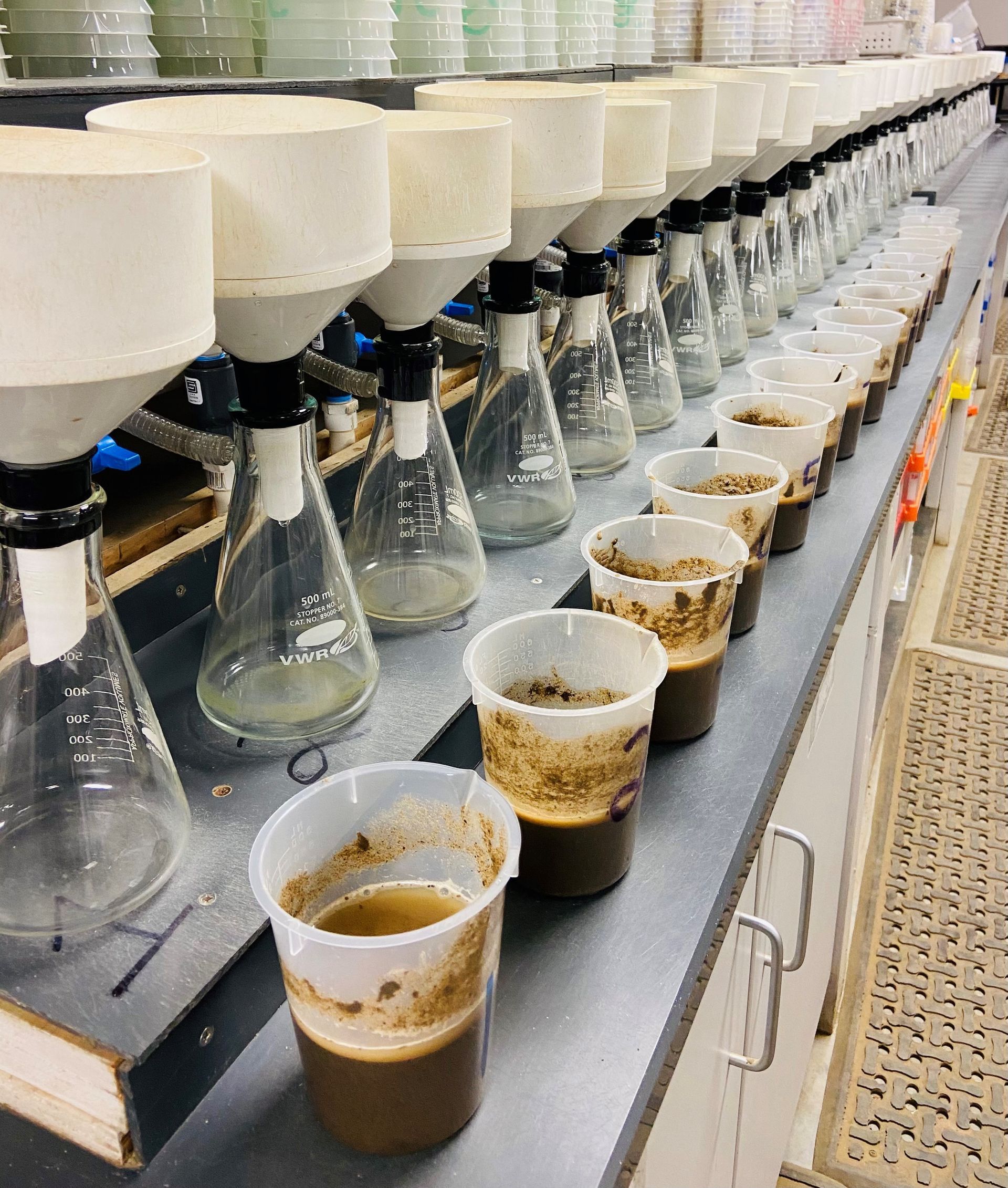
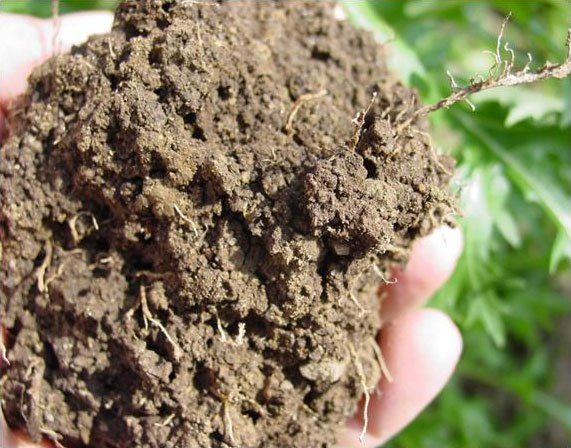
Last fall, I soil sampled my dad’s farm. Nothing fancy. Just cores, sampling zones created by Zone.ME (Made Easy), bags, lab work, and a set of independent recommendations. But what we found changed how we approached fertility this year and it saved real money. His normal practice would have been straightforward:
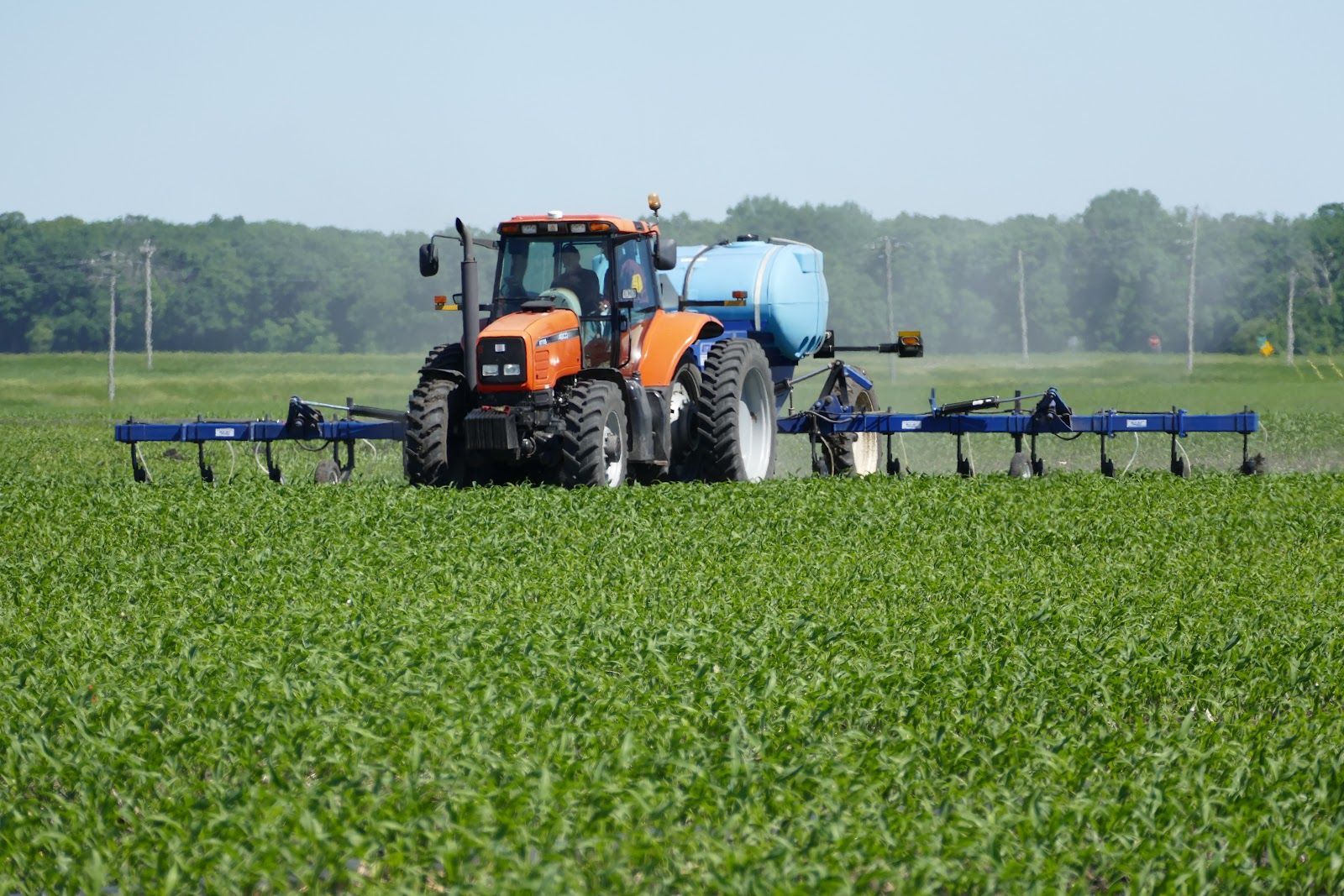
Blanket apply P and K across the acres and add a micronutrient package based on samples the local coop pulled 3 years ago. Total cost? About $90 per acre. After soil sampling, including the cost of pulling samples, lab analysis, and independent recommendations, his fertility bill dropped to $37.50 per acre.
That’s a savings of $52.50 per acre!! On a 1,000-acre farm, that’s $52,500 staying in your client’s operation. And here’s the important part: We didn’t “cut” fertility. We targeted it.
The Difference Between Cutting Costs and Cutting Waste
When commodity prices are strong, it’s easier to focus on building soil levels. When prices are depressed, the goal shifts: Spend money where it protects yield and don’t spend money where it doesn’t.
The soil tests showed several fields were already adequate in P and K. Applying maintenance rates across those acres would not have increased yield this year. It simply would have been money applied out of habit.
Instead, we:
- Applied nutrients only where soil levels justified it
- Eliminated unnecessary micronutrient packages as some fields didn’t require it
- Focused on protecting productivity, not chasing theoretical upside
People may argue that you are mining the soil. However, that’s not mining the soil. That’s managing it responsibly during a low-margin cycle.
Why Soil Sampling Is a Financial Tool
We often talk about soil sampling as an agronomy practice. But in low margin years, it’s really a financial strategy.
Without soil testing, fertilizer decisions are based on:
- Tradition
- General recommendations
- Sales programs
- “What we’ve always done”
With soil testing, decisions are based on:
- Actual nutrient levels
- Field-by-field variability
- Measured deficiencies
- ROI calculations
In other words, you replace assumptions with data. And assumptions can be expensive.
Timing Matters: Build When You Can, Protect When You Must
Here’s something important: we’re not abandoning soil building forever. When grain prices improve and margins return, we’ll go back to strategically building soil levels where needed. Strong balance sheets allow long-term investment. But when margins tighten, discipline matters more than optimism.
Right now, the focus is simple:
- Maintain adequate fertility
- Avoid yield loss
- Preserve working capital
Soil sampling gave us the confidence to pull back where it was safe, without risking productivity. That confidence is worth more than any brochure recommendation.
The Real Question
If fertilizer is one of your largest input costs, why would you spend it without measuring first? A soil test costs a few dollars per acre. Applying nutrients you don’t need, costs far more. This year proved something simple on our farm:
Soil sampling didn’t just pay for itself. It paid us back. In a depressed price environment, that’s not just good agronomy. That’s good business.
Luke Baker, PhD
President/CEO
Brookside Labs | Amplify Network