

Fruit Testing

From Early-Season Nutrition to Post-Harvest Performance

Apples may look simple on the outside, but behind every high-quality crop is a season-long strategy built on data. At Brookside Labs, fruit tissue testing is a routine and essential service for orchardists, and apples are the most commonly tested fruit we see.

From the first small fruitlets of the season to bins headed for storage, tissue testing provides valuable insight that helps growers make informed decisions at every stage.


Early-Season Apple Testing: Managing Nutrition In-Season

Early in the growing season, apples arrive at the lab when they’re still small. At this stage, tissue testing is focused on evaluating the tree’s nutritional status in real time.


By analyzing the nutrient concentrations in young fruit (and often leaves), Amplify consultants can:

  • Identify deficiencies or imbalances
  • Fine-tune fertility programs
  • Adjust foliar applications
  • Improve fruit sizing and quality potential

This proactive approach allows consultants and growers to respond during the season, when there’s still time to influence outcomes. Rather than guessing, decisions are guided by measurable data.

In high-value orchard systems, small adjustments in calcium, boron, nitrogen, potassium, or micronutrients can significantly impact fruit quality, return bloom, and overall profitability.


Late-Season Apple Testing: Storage & Market Readiness

Later in the season, typically August or September, the same trees or orchards are sampled again. However, the purpose shifts.


At this stage, nutrient analysis is no longer about pushing growth. Instead, it’s about:

  • Evaluating fruit mineral balance
  • Predicting storage performance
  • Assessing risk of disorders (e.g., bitter pit, storage breakdown)
  • Supporting buying and selling decisions


Calcium-to-potassium ratios, magnesium balance, and overall mineral composition can directly impact how well apples store and ship. For growers marketing fruit into storage programs or long-term contracts, this data becomes an important management and marketing tool.

Buyers and storage managers rely on objective laboratory results to assess risk and maintain quality standards.


Beyond Standard Recommendations

While many growers associate soil and tissue testing strictly with fertilizer recommendations, Brookside Labs offers a much wider range of analyses designed for multiple end uses.

Testing can support:

  • Nutritional management
  • Storage predictions
  • Quality benchmarking
  • Research trials
  • Risk assessment
  • Specialty production goals

The lab works closely with Amplify consultants to ensure results are interpreted in the context of each orchard’s unique goals, environment, and management system.


Data-Driven Orchards Perform Better

Apple production is both art and science. Tissue testing bridges the two.

Early-season testing helps optimize the crop while it’s growing. Late-season testing protects quality after harvest.

Together, they create a full-season strategy built on measurable performance, not assumptions.

If you’d like to learn more about apple testing or explore the range of fruit analysis services available, call Brookside Labs or contact your local Amplify Consultant. We’re here to help you get the most from every orchard, every season.


Heather Rindler, CCA

Research Agronomist

Brookside Labs | Amplify Network

By Heather Rindler July 6, 2026
This is a subtitle for your new post
By Heather Rindler June 22, 2026
Providing another layer of insight into your soil.
By Heather Rindler June 8, 2026
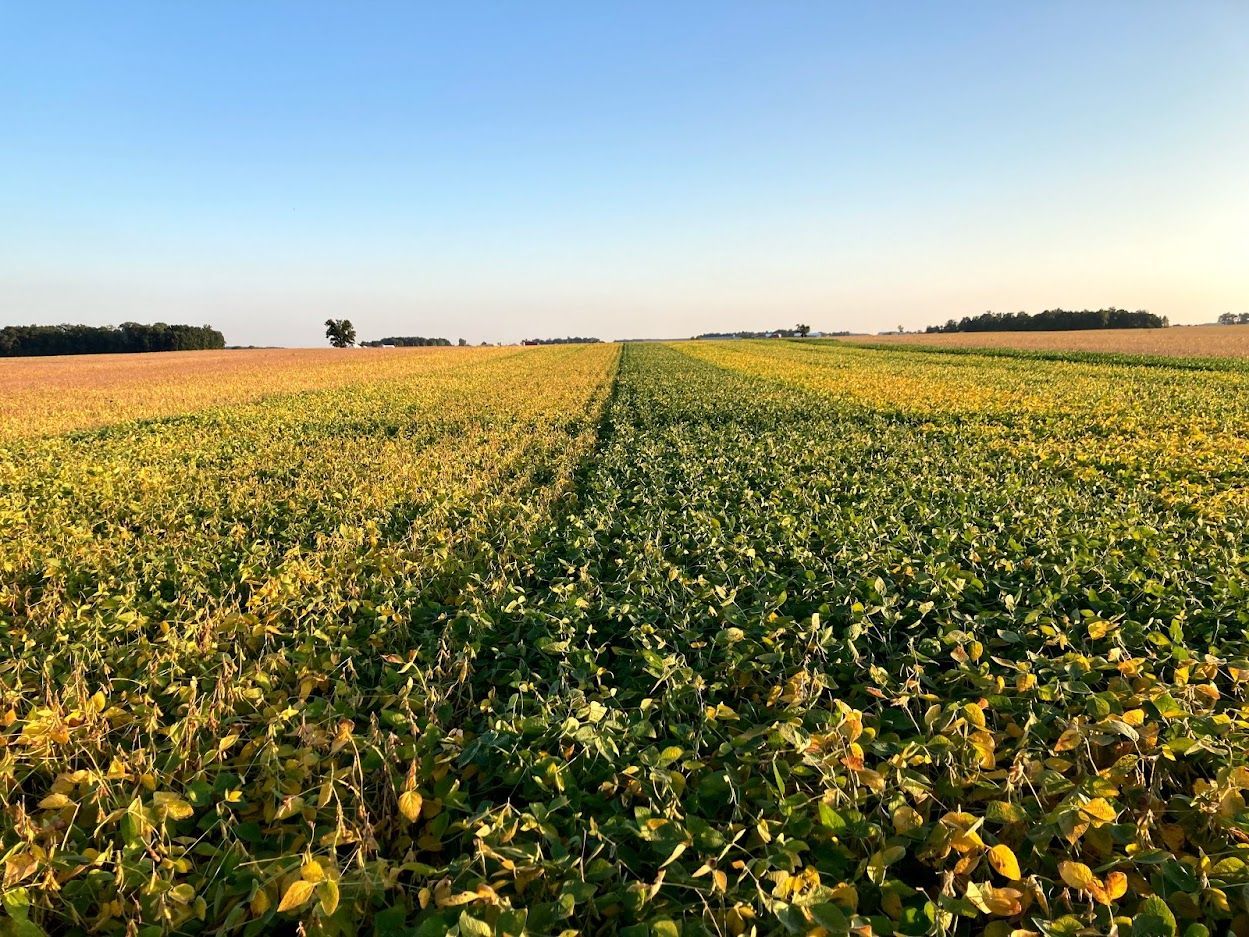
Soil testing is one of the foundational steps in building an effective fertility program. When soils test within the proper balance, you can be reasonably confident they’ll produce near their potential. But soil fertility isn’t only about what’s present in the soil, it's also about what the plant can actually use. Believe it or not, nutrients can be in the soil in good supply and still fail to show up in the plant. Why? Because nutrient uptake is influenced by balance, timing, interactions, environment, and crop health. That’s where plant tissue analysis becomes the companion tool every grower should consider. Limitations of Only Soil Testing A soil test gives us the best estimate of how much nutrition is available in the soil at sampling time. It's the backbone of fertilizer decision-making. However, nutrients don’t move straight from the soil into yield. One nutrient taken up in excess—or not taken up at all—can prevent the plant from using others efficiently. Yield loss can happen even in soils that look “perfect” on paper. What Plant Tissue Analysis Tells Us Unlike soil testing, plant analysis measures the nutrients inside the growing crop, offering a real-time picture of nutritional balance. It helps: Detect nutrient deficiencies before they show symptoms Reveal nutrient interactions; both positive and negative Evaluate fertilizer and management practices Fine-tune a fertility program beyond what a soil test alone can show If you soil test regularly, apply recommended fertilizer rates, yet yield plateaus or disappoints, tissue testing is your next diagnostic tool. It’s a way to ‘look inside’ the plant and see what’s going right or wrong. Before You Pull Samples, Check the Basics Plant analysis won’t help if the crop is limited by something other than soil nutrients. Ask yourself: Am I planting proven varieties on time? Are populations and seeding rates aligned with yield goals? Are weeds, insects, and diseases controlled? Is tillage or soil structure providing a healthy root environment? If yes, and yields are still flat, it’s time to pull tissue samples. Understanding Variability in Plant Nutrients Plant nutrient concentrations are not static. They vary based on: Genetics: hybrids and varieties uptake nutrients differently Growth stage: younger plants contain higher nutrient concentrations Plant part: newly developed leaves hold the richest nutrient levels Environmental stress: drought, heat, cold, compaction, insects Nutrient interactions: excess of one element can suppress others Mineral mobility: some nutrients move internally, others don’t Because of this variability, correct sampling is crucial. Right crop, right tissue, right growth stage. Sampling Guidelines Avoid sampling: Dead, diseased, or insect-injured plants Plants stressed by drought, heat, cold, or saturation Plants heavily dusted with soil or crop protectants Leaves covered in fertilizer or foliar nutrients Crops far into the reproductive stage First thing in the morning or on dark, cloudy days (nitrate can spike artificially) Best practices: Place samples in paper bags, not plastic (plastic can induce molding much quicker) Air-dry wet tissue for at least 24 hours Provide correct crop, variety, growth stage, and plant part on the lab submittal worksheet When uncertain, sample the most recently matured leaf Submit separate “good vs. bad” samples when diagnosing a problem Fill the bag, more tissue is better than not enough One of the trickiest decisions you may face is whether a plant is nutrient-deficient, or simply diseased. For example, a soybean plant with stem or root rot will almost always test mineral-deficient, even if soil fertility is excellent. Diseased tissue clouds the results, leading to misleading conclusions. Soil Testing + Plant Analysis = Confidence Soil tests estimate what nutrients should be available. Plant analysis verifies what is actually getting into the crop. Together, they provide the clearest road map to: Diagnose nutrient problems Avoid unnecessary fertilizer spending Capture genetic yield potential Build long-term soil health and productivity If your goal is truly optimized productivity and profitability, not just ‘good enough’, pair soil testing with tissue sampling. Your crop will show you what it needs when you know how to listen. Heather Rindler , CCA Research Agronomist Brookside Labs | Amplify Network
By Heather Rindler May 25, 2026
A deeper dive into soil, a living system.
By Heather Rindler May 11, 2026
In December, farmers, consultants, and industry professionals came together to tackle some of the most pressing issues facing agriculture today. While the conversations took place during the winter meeting season, the topics remain highly relevant as producers head into spring planning and in-season decision-making. Modern farming continues to sit at the intersection of technology, economics, and biology. Discussions ranged from artificial intelligence and data security to soil health, commodity markets, and emerging policy considerations—each offering insights that can be applied as the new growing season begins. One key area of focus was the growing role of artificial intelligence and data security on the farm. Dr. John Fulton addressed how AI is being used across agricultural systems and what farmers should consider when it comes to data ownership, privacy, and protection. As more digital tools are used during planting and throughout the season, ensuring that farm data remains secure and beneficial to the operation is increasingly important. Economic conditions continue to influence nearly every management decision. Roger Wright shared perspective on commodity markets, helping producers better understand the forces shaping grain prices and market volatility. These insights are especially valuable as marketing plans are refined alongside spring input and planting decisions. Soil health and yield-limiting pests were also front and center. Dr. Horacio Lopez-Nicora discussed soybean cyst nematode and other soilborne pathogens, emphasizing their long-term impact on yield and profitability. As spring planting approaches, this serves as an important reminder of the value of soil testing, scouting, and integrated management strategies. The economics of farm management were further explored by Bruce Clevenger, who focused on how agronomic decisions translate to financial outcomes. With tight margins and rising costs, understanding the economic implications of input decisions remains critical as producers finalize plans for the season ahead. Weather variability is another challenge that carries from year to year. Dr. Emma Matchum shared strategies for managing weather stress in forage systems, highlighting how moisture and temperature extremes affect forage performance. These considerations are especially relevant as spring growth begins and forage management decisions are made. Technology and policy discussions looked ahead to the future, with Matt Apple and Brad Baker examining the evolving role of agricultural drones and how regulatory changes could impact their use. As drone imagery becomes more integrated into in-season scouting and decision-making, understanding the regulatory landscape is an important part of adoption. Practical, data-driven decision-making rounded out the discussions. John McGuire demonstrated how sub-field data can be leveraged to create profitable seeding prescriptions, reinforcing the value of variable-rate strategies as planting gets underway. Matching inputs to field variability continues to be a powerful way to improve efficiency and returns. Finally, Howard Halderman addressed considerations around solar and data farm development, a topic gaining traction across rural landscapes. As landowners evaluate these opportunities, understanding long-term implications remains essential. Looking ahead, we plan to continue hosting this event each December in partnership with Apple Farm Service and Edison State Community College. The goal remains the same: to bring together practical agronomy, economics, and technology in one room and provide meaningful conversations that farmers can carry from winter planning into the growing season. While these conversations took place in December, the insights carry directly into spring. As planting approaches and management decisions ramp up, the themes of data-driven decision-making, economic awareness, and adaptive management remain as relevant as ever, helping farmers move confidently from planning into the growing season. Heather Rindler , CCA Research Agronomist Brookside Labs | Amplify Network
By Heather Rindler April 27, 2026
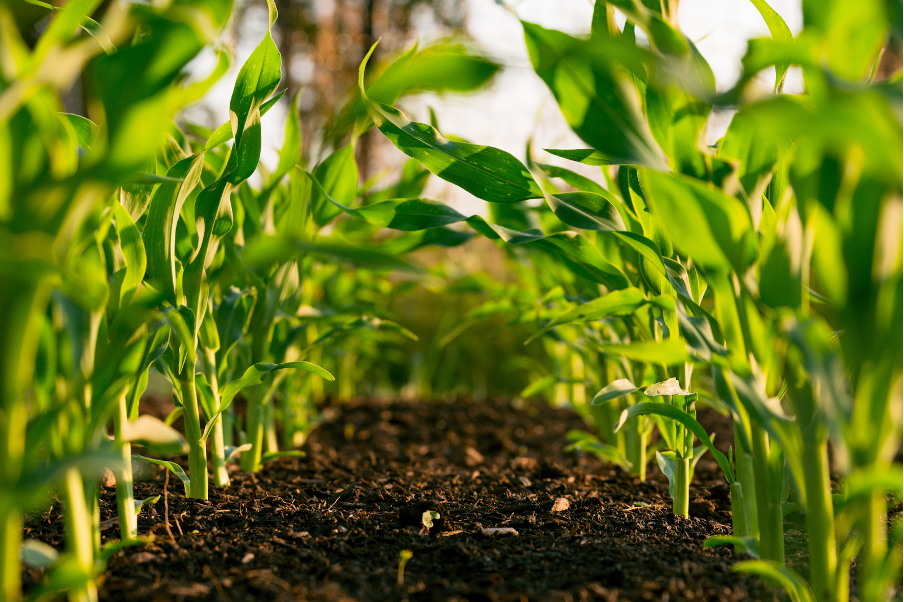
Pre-Sidedress Nitrogen Testing remains one of the most effective tools available to reduce guesswork and fine-tune nitrogen decisions during the growing season.
By Heather Rindler April 13, 2026
When the crop just doesn't establish like it should
By Heather Rindler March 30, 2026
Who You Ask Matters as Much as What you Ask
By Heather Rindler March 16, 2026
Weeds steal, often silently, until the damage is already done.
By Heather Rindler March 2, 2026
The value in 'Boots on the Ground' data