

Test. Don't Guess

Why Feed Analysis Matters

Feed is one of the largest expenses in any livestock operation, but its true value cannot be determined by appearance alone. Hay may look green and smell good yet still fall short of an animal’s nutritional needs. Silage from two fields, or even two areas of the same field, can vary considerably in moisture, energy, protein, and fiber.


Feed testing replaces assumptions with useful information. It tells you what nutrients are actually present, helps identify what may be missing, and provides a foundation for building a more economical feeding program.


Why Can’t We Rely on Average Values?

Reference tables and book values are useful tools for planning, but they represent averages. Your feed may not be average. Nutrient content can be influenced by many factors, including:

  • Plant species and variety
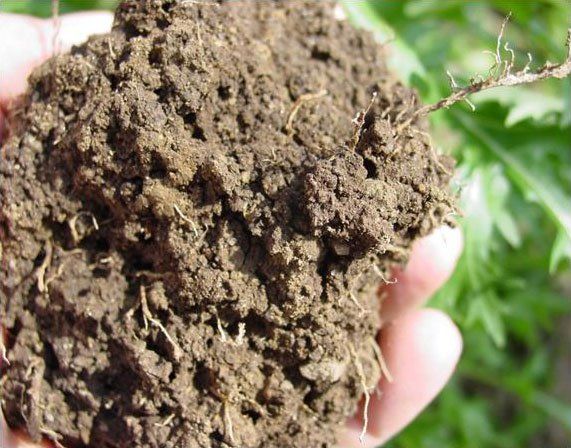
  • Soil fertility
  • Stage of maturity at harvest
  • Weather and growing conditions
  • Harvest methods
  • Moisture at harvest
  • Storage conditions
  • Fermentation quality
  • Mold, heating, or weather damage


University of Nebraska Research and Extension guidance notes that, on a dry-matter basis, energy can vary by approximately 10% from an average value, crude protein by approximately 15%, and minerals by even greater amounts. University of Nebraska–Lincoln Feed Analysis Resources


That variation can have a meaningful impact on both animal performance and feed costs. For example, if a ration is formulated assuming a feed contains 12% crude protein when it actually contains 9%, animals may not receive enough protein to meet their requirements. On the other hand, if the feed contains more protein than expected, purchasing additional supplementation may be an unnecessary expense.

In either case, guessing can be costly.


What Does a Feed Test Tell You?

The appropriate analysis depends on the feed, the animals being fed, and the questions you are trying to answer. Several measurements are particularly useful when evaluating feed quality.


Moisture and Dry Matter

Moisture and dry matter tell us how much of the feed is water and how much is actual feed material. Animals require pounds of nutrients, not pounds of water. Two loads of silage can weigh the same but provide very different amounts of nutrients if their moisture levels differ. Dry matter is especially important when mixing rations or comparing feeds because changes in moisture can unintentionally change the amount of forage, grain, protein, minerals, and other ingredients an animal receives.


Crude Protein

Crude protein provides an estimate of the feed's protein content. Protein supports growth, milk production, reproduction, tissue repair, and the microorganisms responsible for digestion in ruminants. Testing can help determine whether the base forage is providing adequate protein or whether supplementation may be necessary.


Fiber

Fiber measurements such as neutral detergent fiber (NDF) and acid detergent fiber (ADF) help evaluate forage intake and digestibility.

As plants mature, they generally become more fibrous and less digestible. NDF is related to potential forage intake, while ADF is associated with digestibility and energy value.


Energy

Energy is critical for maintenance, growth, pregnancy, lactation, and finishing. An animal can receive adequate protein and still struggle to maintain condition or achieve desired performance if the ration does not provide enough energy.


Minerals

Mineral analysis can identify deficiencies, excesses, or imbalances involving calcium, phosphorus, magnesium, potassium, sulfur, copper, zinc, and other elements. More is not always better. Minerals interact with one another, and excessive concentrations of some nutrients can create animal health concerns or interfere with the availability of others.


Together, these measurements help producers and nutritionists match available feeds with the needs of a specific group of animals. A dry cow, growing calf, finishing steer, lactating dairy cow, ewe, sow, or horse will not have the same nutritional requirements. The National Academies' animal nutrition models are built around matching nutrient intake with the requirements of animals at different stages of production. National Academies – Nutrient Requirements of Animals


What Could You Be Missing Without Testing?

Without an analysis, important differences in feed quality can go unnoticed.


Underfeeding Nutrients

Animals may gain more slowly, produce less milk, lose body condition, experience reproductive challenges, or have reduced immune function. These issues can develop gradually and may be attributed to genetics, weather, disease, or other management factors.


Overfeeding Nutrients

Providing more protein, energy, or minerals than animals require increases feed costs without necessarily improving performance. Excess nutrients may simply be excreted, adding to manure-management and environmental considerations.


Paying Too Much for Feed

Price per ton does not tell the entire story. The least expensive feed is not necessarily the best value, and the highest-priced feed may not provide the most usable nutrition. Testing allows feeds to be compared based on dry matter and nutrient content rather than weight or appearance alone.


Matching Forage to the Animal

Higher-quality forage can be prioritized for animals with greater nutritional requirements, such as growing or lactating animals. Lower-quality forage may be appropriate for animals with lower requirements when properly supplemented. Feed testing gives producers information they can use to allocate forage inventories more strategically.


Recognizing Damaged Feed

Heat damage can reduce the amount of protein available to the animal. A feed may appear to have adequate crude protein based on the laboratory result while providing less usable protein than expected.


Feed Testing Can Also Identify Potential Risks

A routine nutrient analysis is not the same as a safety screen. Additional testing may be appropriate when growing, harvest, or storage conditions increase the risk of a particular problem. For example:

  • Nitrate testing may be appropriate for drought-stressed crops, heavily fertilized fields, certain annual forages, or plants harvested following stressful growing conditions.
  • Mycotoxin testing may be warranted when grain or forage has experienced mold, weather damage, insect injury, poor storage, or heating.
  • Prussic acid precautions may be necessary with sorghum-family crops, particularly following drought, frost, or other plant stress.
  • Mineral testing may be valuable when animal performance or health concerns cannot be explained, feeds come from unusual soil conditions, or mineral interactions are suspected.

A laboratory can only analyze what it is asked to test. If unusual field conditions, animal-health concerns, or potential contamination are present, talk with your veterinarian, nutritionist, consultant, or laboratory about which analyses may be appropriate.


The Sample Is Just as Important as the Test

A laboratory can provide an accurate analysis of the sample it receives, but if that sample does not represent the feed supply, the results may not tell the whole story. A few handfuls from one bale or one location in a silage pile are rarely representative.


For hay, use a proper core sampler and collect cores from multiple bales within the same lot. Separate samples should be considered for different fields, cuttings, varieties, harvest dates, or storage conditions.


For silage and mixed feeds, collect subsamples from multiple locations and combine them appropriately. University of Minnesota Extension recommends obtaining multiple subsamples and treating separately harvested or stored feeds as distinct lots. It also recommends sampling close to the time the feed will be fed when storage losses or other changes may have occurred. University of Minnesota Extension – Forage Testing


The quality of the answer starts with the quality of the sample.


Is Feed Testing Worth It?

Feed testing does not replace good management, observation, or professional advice. Instead, it gives those tools better information to work with. The cost of an analysis is generally small compared with the value of the feed being tested, the cost of unnecessary supplementation, or the potential consequences of reduced animal performance. Feed testing can be particularly valuable when:

  • Beginning to feed a new cutting, field, or storage lot
  • Purchasing or selling forage
  • Formulating or adjusting a ration
  • Growing conditions have been unusual
  • Feed quality appears inconsistent
  • Animal performance changes unexpectedly
  • Using alternative or unfamiliar feed ingredients
  • Comparing the actual value of different feeds

The purpose of feed analysis isn't simply to generate a report full of numbers. It's about turning the feed you have into better decisions.

When you know the actual moisture, protein, energy, fiber, and mineral content of a feed, you can build a feeding program around the feed in front of you rather than an average value from a reference table. That can help control costs, support animal performance, make better use of available feed, and identify potential concerns before they become larger problems.


Test, don't guess. A representative feed sample can be one of the most valuable tools in a livestock feeding program.


Luke Baker, PhD

CEO/President

Brookside Labs | Amplify Network | American Ag Labs
By Heather Rindler • November 9, 2026
As we look ahead to the end of 2026 and the start of a new year, Brookside Labs is excited to connect with farmers, agronomists, and agricultural professionals at two upcoming events focused on learning, collaboration, and the future of agriculture.
By Heather Rindler • October 26, 2026
As harvest progresses across the country, yield data and field observations offer valuable insight into what worked, where challenges occurred, and how growers can make more informed decisions for 2027.
By Heather Rindler • October 12, 2026
Putting What We're Learning to Work
By Heather Rindler • September 28, 2026
Nitrogen is one of the most important nutrients for corn production, but determining whether a crop received the right amount can be challenging. Corn Stalk Nitrate Testing (CSNT) provides a valuable post-season "report card" on nitrogen utilization, helping growers and consultants assess whether nitrogen rates were too low, adequate, or excessive. When used alongside the Pre-Sidedress Nitrate Test (PSNT) and/or N-Min testing, Corn Stalk Nitrate Testing can provide a more complete picture of nitrogen dynamics throughout the growing season. Together, these tools help consultants make informed recommendations that optimize nitrogen use, improve profitability, and enhance environmental stewardship. Why Use Corn Stalk Nitrate Testing? Unlike in-season nitrogen tests, Corn Stalk Nitrate Testing is a post-mortem assessment of nitrogen utilization. The results help identify whether the crop had excess nitrogen available late in the season or whether nitrogen may have been limiting yield potential. By evaluating fields after harvest, growers and consultants can refine future nitrogen management strategies and make more informed fertility decisions for upcoming seasons. When Should Samples Be Collected? Corn stalk samples can be collected from two weeks prior to black layer through three weeks after black layer . Sampling during this window provides the most accurate assessment of nitrogen availability late in the growing season. How to Collect Corn Stalk Samples Follow these steps to ensure accurate and representative results: Select representative plants from the field. Avoid sampling: Unusually stunted plants Insect-damaged plants Diseased plants Plants without an ear Any other abnormal plants that do not represent the field From each plant, cut an 8-inch stalk segment beginning 6 inches above the soil surface . Remove all leaves and leaf sheaths from the stalk segment. Collect 15 stalk segments per sample . Proper Sample Handling Place each group of 15 stalk segments into a paper bag . Paper bags are preferred because they: Minimize mold development Allow moisture to escape Facilitate proper drying during shipment and storage Do not use plastic bags, as they can trap moisture and negatively impact sample quality. Using Results to Improve Nitrogen Management Corn Stalk Nitrate Testing is most powerful when used as part of a comprehensive nitrogen management program. Combining CSNT results with PSNT and N-Min testing allows consultants to evaluate nitrogen availability before, during, and after the growing season, leading to more precise fertilizer recommendations and improved nitrogen use efficiency. Want to Learn More? For more information about Corn Stalk Nitrate Testing or to develop a nitrogen management strategy for your operation, contact your local Amplify Consultant. Find a consultant here: https://www.blinc.com/become-a-consultant . You can also contact Brookside Laboratories directly at: Phone: 419-977-2766 Email: info@blinc.com Heather Rindler , CCA Brookside Labs | Amplify Network | American Ag Laboratory Interested in joining our email list to stay up to date on all things Brookside Labs, the Amplify Network, and American Ag Labs? Join HERE !
By Heather Rindler • September 14, 2026
Soil health testing is an important tool for understanding how soils function and how management practices may influence those functions over time. Brookside Labs offers the soil health testing capabilities needed to support testing under the USDA Natural Resources Conservation Service (NRCS) Conservation Evaluation and Monitoring Activity 216 (CEMA 216). For producers, conservation professionals, crop consultants, and other agricultural professionals working with NRCS programs, understanding what CEMA 216 requires, and what a laboratory can provide, is an important first step. What Is CEMA 216? CEMA 216, or Conservation Evaluation and Monitoring Activity – Soil Health Testing , is an NRCS activity that provides a framework for quantitatively evaluating the biological, chemical, and physical characteristics of soil using approved laboratory methods. The activity can be used across land uses and is designed to help evaluate soil health in relation to conservation objectives. CEMA 216 establishes requirements for soil sampling, laboratory testing, documentation, interpretation, and reporting. The current April 2026 version of CEMA 216 identifies five soil processes and characteristics that must be assessed when evaluating the status of the soil ecosystem: Soil aggregation Soil carbon cycling Microbial activity Carbon food source for microorganisms Nitrogen food source for organisms Soil pH and texture are also measured to help interpret the soil health indicators. What Does CEMA 216 Require? For each of the five soil processes, CEMA 216 identifies a preferred laboratory method as well as an approved alternate method. NRCS also provides approved alternate methods for several of these indicators, including calculated SOC from loss-on-ignition organic matter, 96-hour incubation for respiration, water-extractable organic carbon, and water-extractable organic nitrogen. This flexibility allows participants and their Qualified Individuals to select appropriate laboratory methods while maintaining consistency with the CEMA 216 requirements. Brookside Labs' Soil Health Testing Options Brookside Labs offers all five of the soil processes/characteristics outlined in Table 1 of the CEMA 216 NRCS document. This includes testing for: Wet aggregate stability | Test code: S273 Soil organic carbon | Test code: S139 Soil respiration | Test code: S113 Labile carbon/POXC | Test code: S241 ACE Protein | Test code: S242 Brookside also offers soil pH and soil texture testing to support interpretation of soil health indicators. Beyond a Single Soil Health Number One of the important concepts behind CEMA 216 is that soil health is not represented by a single test. Different indicators provide information about different soil functions. Wet aggregate stability provides information about the physical soil environment and is related to water infiltration, carbon and nutrient storage, biological activity, and erosion. Soil organic carbon is related to soil structure and fertility and provides food for soil microbes. Soil respiration provides an indication of microbial activity, while labile carbon measures carbon that is readily available to microorganisms. ACE Protein provides information related to protein readily available to microbes. Looking at multiple indicators together can provide a more complete picture of how a soil is functioning. Consistency Is Key CEMA 216 can also be used to monitor the effects of conservation practices over multiple years. When monitoring changes over time, NRCS recommends consistency in several areas, including: Using the same georeferenced sampling locations Using the same sampling strategy Collecting soil under similar soil conditions Sampling at the same time of year Using the same laboratory, tests, and methods Maintaining consistency helps make changes in soil health indicators more meaningful from one sampling period to the next. Sampling Matters The laboratory test is only one part of a successful soil health assessment. CEMA 216 provides specific guidance for developing a sampling strategy and collecting samples. NRCS recommends contacting the laboratory before going to the field to obtain laboratory-specific recommendations for soil temperature, soil moisture, storage, shipping times, and other requirements for the indicators being analyzed. CEMA 216 generally calls for at least three representative sampling locations within the planning land unit, with each composite sample consisting of at least five subsamples. The CEMA 216 document also provides guidance on sampling depth, equipment, sample handling, and conditions to avoid when collecting samples. For soil health testing, proper sampling and handling are just as important as selecting the appropriate laboratory analysis. What Brookside Labs Provides—and What the QI Provides It is important to understand the distinction between laboratory testing and the overall CEMA 216 activity. CEMA 216 requires a Qualified Individual (QI) to perform and document the broader work associated with the activity. This includes developing the sampling strategy, documenting the work, interpreting results, and preparing the required deliverables for the participant and NRCS. Brookside Labs provides the laboratory testing component. The NRCS CEMA 216 document also specifies laboratory certification requirements and requires laboratories to maintain current certification through an accepted proficiency or accreditation program. Brookside Labs meets the laboratory requirements for CEMA 216 testing and offers the required soil health analyses to support the activity. Soil Health Testing Through Brookside Labs Whether you are completing a full soil health assessment, monitoring a conservation practice, or looking at an individual soil health indicator, Brookside Labs offers a range of testing options to help generate meaningful soil health data. Our goal is to provide reliable laboratory results that can be used by producers, crop consultants, conservation professionals, and NRCS partners as part of a broader soil health assessment and management process. Questions about CEMA 216 testing or which Brookside Labs test is right for your project? Call the Brookside Labs soil testing laboratory and ask for Heather : 419-977-2766 Or email Heather directly: hrindler@blinc.com We can help answer questions about available soil health analyses, sample requirements, and which Brookside Labs' testing options may fit your CEMA 216 project. Note: CEMA 216 is an NRCS conservation activity with requirements beyond laboratory testing. Producers and conservation professionals should coordinate with their Qualified Individual and local NRCS office to ensure that sampling, testing, documentation, interpretation, and deliverables meet the requirements of the specific CEMA 216 activity. Heather Rindler , CCA Brookside Labs | Amplify Network | American Agricultural Laboratory
By Heather Rindler • September 1, 2026
We are excited to share some big news: Brookside Labs has acquired American Ag Labs in McCook, Nebraska. This is an important step forward for Brookside Labs, our team, our customers, and the agricultural community we are blessed to serve. For many years, American Ag Labs has built a strong reputation for serving growers, consultants, and agricultural businesses across the western Corn Belt and High Plains region. We are honored to continue building on that foundation. For Brookside Labs, this acquisition represents more than growth. It represents an opportunity to expand our reach westward, serve more people, and continue investing in the kind of agricultural testing and support that helps farmers, consultants, and businesses make better decisions. As we take this next step, our core values will continue to guide us. Servant Leadership reminds us that our first responsibility is to serve others well. Integrity-Founded keeps us grounded in doing the right thing, even when no one is watching. Cohesive Teamwork reminds us that the best outcomes happen when people work together. Being Solution Engineers challenges us to keep thinking differently, solving problems, and improving. Service Oriented keeps the customer at the center of what we do. Future Alert pushes us to prepare for what is ahead. Extreme Ownership reminds us to take responsibility. Our Go-Giver mentality reflects our belief that creating value for others is the best path to long-term success. And The Power of Together reminds us that we are better as a group than as individuals. Those values are not just words on a wall. They shape how we work in the lab, how we interact with customers, how we support one another, and how we approach opportunities like this one. We also want to recognize the American Ag Labs team. A laboratory is not just equipment, methods, and buildings. It is people. It is the care taken with every sample, the conversations with customers, the knowledge built over time, and the trust earned year after year. We are grateful for the work they have done and excited to move forward together. As with any transition, we will take time to listen, learn, and understand what has made American Ag Labs successful. We are not interested in change for the sake of change. Our goal is to observe, support, and thoughtfully improve where it makes sense. This acquisition allows Brookside Labs to better serve the agricultural community by increasing our regional presence, strengthening relationships, and continuing to provide reliable laboratory analysis backed by service, experience, and practical insight. We are thankful for the opportunity, excited for the future, and committed to honoring the trust placed in us by customers, consultants, employees, and shareholders. We are especially excited to begin serving American Ag Labs’ customers and to continue building on the relationships they have trusted for many years. Our goal is to work side by side with the American Ag Labs team, listen well, learn quickly, and serve customers with the same care and commitment they have come to expect. We look forward to interacting with many of you soon, learning more about your operations, and finding ways we can continue to support the important work you do in agriculture. There is a lot of work ahead, but we believe the best chapters are built together. Welcome, American Ag Labs. We are excited to grow forward with you. Luke Baker , PhD CEO/President Brookside Labs | Amplify | American Agricultural Laboratory
By Heather Rindler • August 17, 2026
As we look ahead to an exciting season of learning, networking, and innovation, Brookside Labs and the Amplify Network are proud to announce two upcoming events that you won't want to miss. 3rd Annual Farm Forum December 17, 2026 Brookside Labs is excited to host the 3rd Annual Farm Forum in conjunction with Edison State Community College and Apple Farm Service. This free event is open to the public and designed to provide valuable education and insights for farmers, crop consultants, and agribusiness professionals. Attendees will spend the day exploring key topics and issues impacting agriculture today, learning from industry experts, and connecting with fellow agricultural professionals. Whether you're involved in crop production, agronomy, farm management, or agribusiness, the Farm Forum offers practical information to help you stay informed and prepared for the future. Admission is free, and all are welcome to attend. For event updates, speaker announcements, and additional details, be sure to follow Brookside Labs and the Amplify Network on Facebook and check Brookside Labs' event page . 75th Annual Amplify Conference January 17–20, 2027 | Nashville, Tennessee Brookside Labs and the Amplify Network are also gearing up for a milestone event—the 75th Annual Amplify Conference in Nashville. This year's conference theme, "Rooted in Tradition. Growing Through Innovation." , celebrates the rich history of agriculture while embracing the advancements shaping its future. The conference will feature industry-leading speakers, educational sessions, networking opportunities, and discussions focused on helping agricultural businesses thrive in a rapidly evolving landscape. Registration Opens Today! Registration for the 75th Annual Amplify Conference is now open. Secure your spot today through the official registration site: Register for the 2027 Amplify Conference Take advantage of early registration savings and register by September 25, 2026, to receive $100 off your conference registration. Join agricultural leaders, innovators, and professionals from across the country as we celebrate 75 years of learning, collaboration, and progress. We look forward to seeing you at both events as we continue working together to strengthen and advance agriculture for generations to come. Heather Rindler , CCA Brookside Labs | Amplify Network
By Heather Rindler • August 3, 2026
Soil Sampling is a Profit Strategy
By Heather Rindler • July 20, 2026
From Early-Season Nutrition to Post-Harvest Performance
By Heather Rindler • July 6, 2026
This is a subtitle for your new post