

How to Test for Soil Health for the Most Accurate Data and Understanding
A deeper dive into soil, a living system.
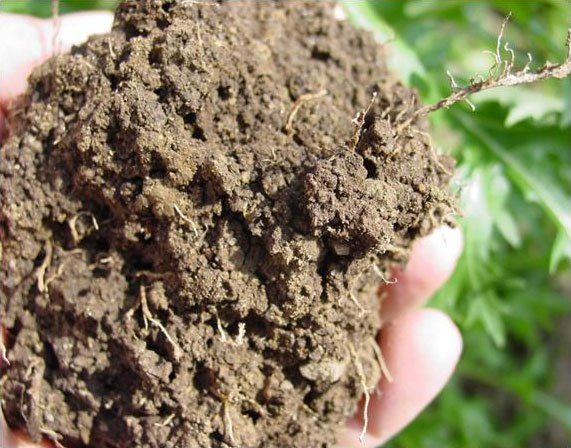
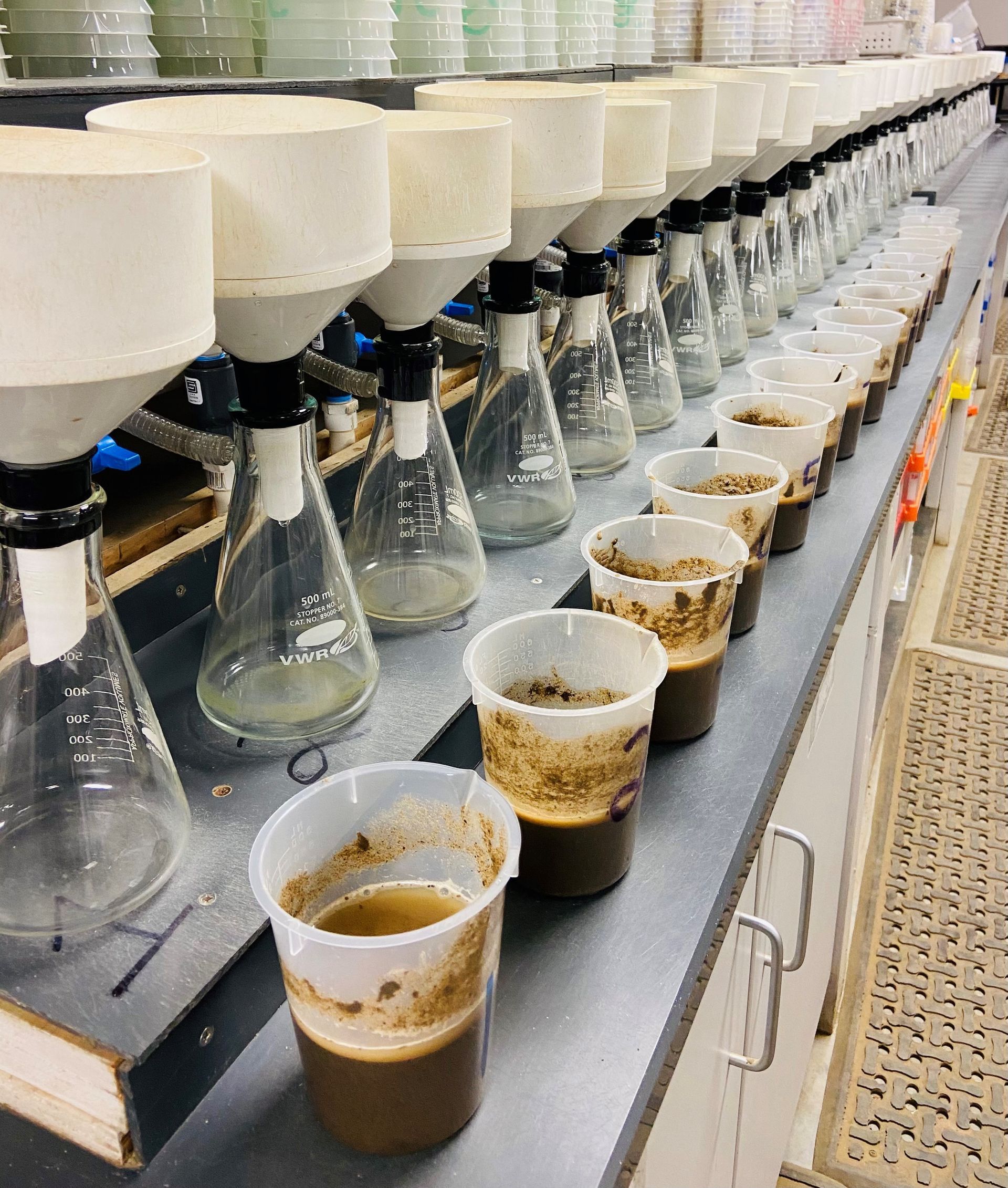
Soil is more than nutrients, pH, and organic matter, it is a living system. Microbes cycle nutrients, build soil structure, and drive crop performance from the ground up. Soil health testing helps measure the soil’s biological engine, giving producers insight into soil function beyond a standard chemical analysis.
But to get usable, repeatable results, timing, technique, and interpretation all matter.
When Should You Sample for Soil Health?
Soil biology fluctuates throughout the season. The best data comes when microbes are naturally active.
Mid spring should be your first choice. Microbial activity rises as soils warm and feed becomes available through plant roots and residue breakdown.
Microbes thrive when soil temperatures are 55–75°F, with moisture and fresh carbon sources available.
If spring slips by, early fall works well, especially right after the combine rolls through. Residue, decaying roots, and warm soils give microbes fuel before winter cools them down.
Consistency Is the Key to Tracking Change
Soil health values shift drastically with temperature, moisture, and crop stage. The best way to measure progress is to sample at the same time each year and follow the same sampling protocol, just as you would for standard fertility soil fertility.
Spring vs. fall comparisons often tell more about weather than management, so consistency helps protect the trends that will build when soil health testing, but also in standard soil testing.
Sampling Technique: Familiar, With One Change
Sampling for soil health mirrors your standard nutrient protocol. Sample at a 6-inch depth, with a consistent pattern that will allow the sample data to be an accurate representation of the area that the sample was taken. The only difference is that a soil health test will require more soil than a standard fertility test.
Biology varies more across a field than nutrients do, more cores give a clearer picture of what’s truly happening.
Don’t Compare Mehlich III Values to H3A
A common mistake is trying to match soil health chemistry numbers to traditional soil tests. While it seems like a logical thing to do, you need to remember that the standard fertility test (Mehlich III) is a much stronger acid than the H3A extracting solution used in the soil health test and the Mehlich III is only focusing on the chemical analysis. Whereas the H3A is focusing on the chemical and the biological analysis, and as mentioned earlier, biology is a huge variable when it comes to soil health testing. The H3A extraction is a weaker acid by design, because the goal is for it to mimic the natural plant-root exudates. The goal for the Mehlich III is to extract all plant available nutrients that are present in the soil.
When comparing a Mehlich III and H3A extractions from the same sample you can expect to notice:
- Nutrient values will not match
- Exchange Capacity will appear lower on soil health reports due to the weaker extraction
- Side-by-side comparisons can be misleading
What Matters Most on a Soil Health Report
The real strength of a biological assessment is understanding whether your soil is functioning, and balanced. Just as you would check to see if the base saturations of cations are balanced in a standard fertility soil report.
Three key indicators tell the story:
- Respiration — Is the soil breathing? Microbial CO₂ output shows biological activity and soil life.
- Water Extractable Organic Carbon (WEOC) — Is there enough food? This measures the readily available carbon that microbes feed on.
- Water Extractable Organic Nitrogen (WEON) — Is the food good quality? This indicates available nitrogen microbes can use to build biomass and release nutrients.
Tying it all together is the C:N ratio. A healthy C:N ratio suggests active nutrient cycling and efficient residue processing. Both are signs of a biologically functional system.
To recap, soil health testing is most valuable when:
- Samples are taken during peak microbial activity.
- Sampling timing stays consistent year to year.
- Sampling depth and pattern mirror those of a standard fertility test, just with more cores.
- Results are interpreted through a biological and chemical lens, not compared to Mehlich-3.
- Focus firstly on respiration, carbon, nitrogen, and C:N ratio.
Healthy soil is active soil. Understanding biology opens the door to smarter decisions, better nutrient use, and more resilient cropping systems.
Want help coordinating testing or interpreting results? Brookside Labs and the Amplify Network are here every step of the way and are eager to help! Feel free to contact us at the laboratory or find an Amplify Consultant in your area by visiting
https://www.blinc.com/find-a-consultant.
Heather Rindler, CCA
Research Agronomist
Brookside Labs | Amplify Network