

Walk Your Fields, Don’t Just Watch Them
The value in 'Boots on the Ground' data
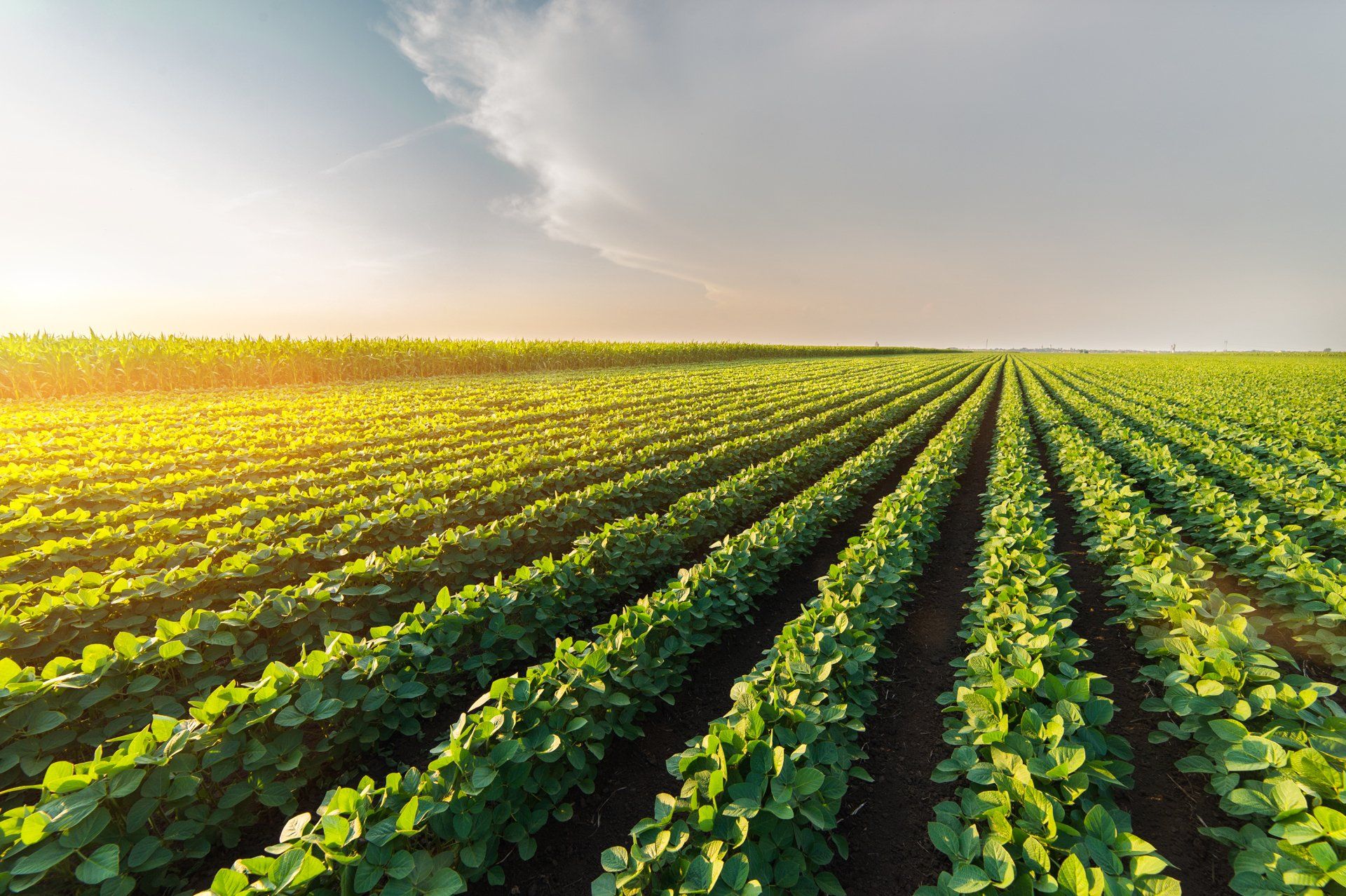
There’s a lot of data that can be gleaned from a yield monitor, drone imagery, soil and plant tissue samples, but there is extreme value in the ‘boots on the ground’ data that comes from walking fields and scouting for insect, weed, or disease pressure or checking stand counts. Whether you’re a grower yourself or a consultant, scouting provides valuable insights that can lead to yield saving applications, finding trends for future management or a combination of both.
Why to scout?
- Early detection: Checking fields early and often allows you to have more control over the season and make a remedy treatment if needed.
- Better decisions: Scouting gives you the confidence to know what is actually going on, instead of making just in case passes with the sprayer. It also all you to have more targeted, more cost-effective management strategies.
- Increased environmental stewardship: Scouting allows you to only apply what you need, where you need it. Reducing those just in case inputs and increasing stewardship and sustainability.
What to look for?
Scouting doesn’t have to be complicated or costly. Look for signs of insects, diseases, weeds, and crop growth.
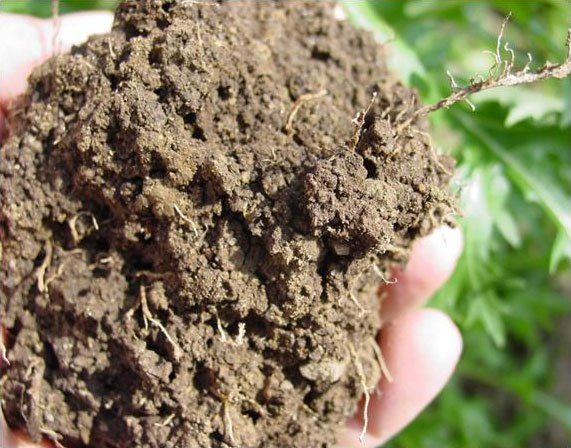
- Insects: Look for signs that they have been feasting on the plant leaves. Chewed leaves, droppings, or damaged silks are all signs of an insect pest presence. Don’t be afraid to dig some roots as well to take a peak at what kind of insect pressure is happening below the surface. Oftentimes, early insect damage is happening below the surface on the baby roots or seed.
- Diseases: Looks for lesions, discoloration, spots, wilting, anything that doesn’t look quite right. Diseases often start small and will explode with the right weather conditions. Early detection allows you time to get a remedy application put on, before the disease takes over and robs the yield.
- Weeds: Monitoring for weeds is essential. Even though there may have been a pre- and post-emerge herbicide application, some weeds still find their way through to rob the cash crop of space, water, nutrients, and sunlight. A few weeds may not seem like a big deal, but small problems become profit thieves in the fall. A Michigan State University study suggests that waiting to control weeds until the V1 stage in soybeans, could lead to a 0.5 bushel per acre per day loss, which equates to greater than $38 per acre loss at the end of the season. Click below to read the full article.
- https://www.canr.msu.edu/news/protecting-crop-yields-starts-with-early-season-weed-control
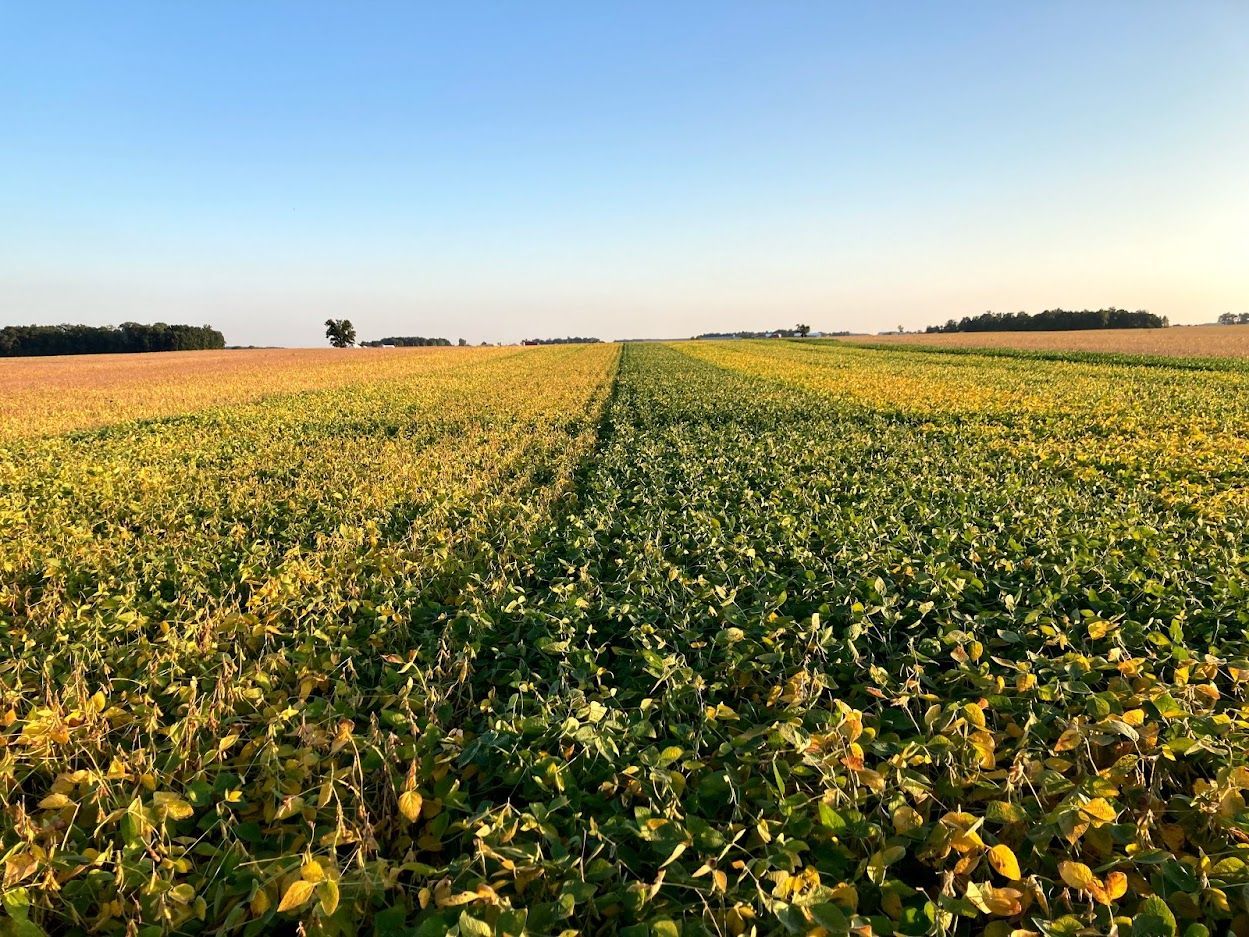
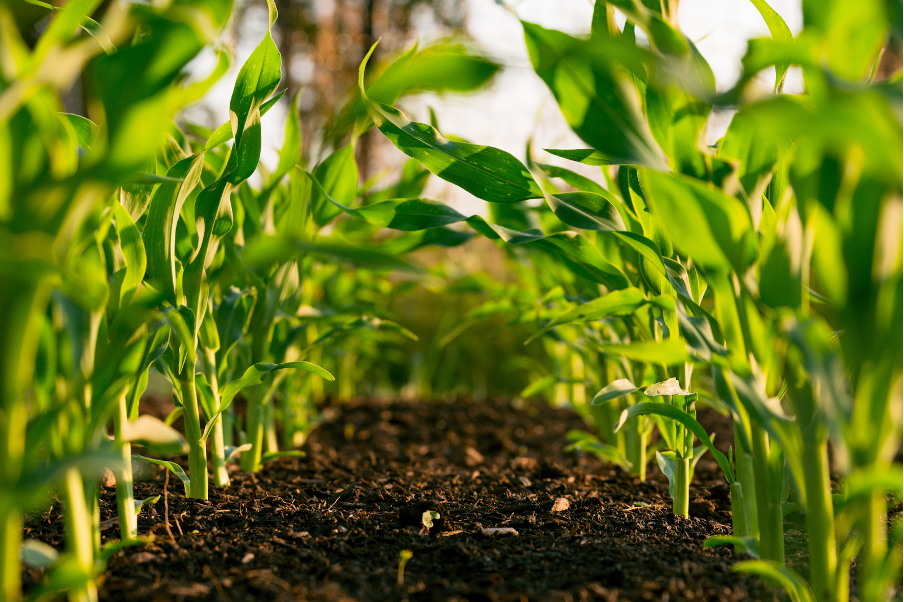
- Crop growth: It’s also important to examine overall growth, health, and uniformity. This can be done throughout the season, but should definitely be done in the early part of the season to get an idea of how well and uniformly the crop emerged. It has been proved, time and time again, that uniform emergence leads to the most successful crops. Monitoring for growth and health also allows for detection of nutrient deficiencies that could be corrected with a foliar application, if it’s feasible to do so.
- Environmental factors: Scouting for environmental stressors is valuable to understand how different hybrids and varieties respond to water stress (whether not enough or too much) or things like hail and wind damage. Knowing how the variety or hybrid responds to certain environmental stressors allows you to take note on which varieties or hybrids to plant, or not plant, in the future.
How do you scout?
- Timing: Ideally, every 7-10 days because problems can arise quickly and become detrimental quickly as well. However, as a farmer or crop consultant, you may not have that kind of time on your hands. Therefore, scouting in the early, middle, and end of the growing season is probably more feasible and will give you good data and insight on any remedies to make in-season and how to improve for the seasons to come.
- Pattern: Using a ‘W’ or zig-zag pattern will allow you to check on the crop in a randomized fashion that will cross many rows and sampling zones. You could also scout by sample or yield zone to get a glimpse of how different management zones respond to different stressors. Either way, it is important to take note of the pattern you use and use the same pattern each time you scout within that season.
- Stop and smell the roses every once in a while: Don’t rush through your scouting. Be sure to stop, dig roots, pull back leaves, check inside whorl, etc. every once in a while to get a deeper look at what the crop is experiencing and you might be able to predict a problem before the symptoms of that yield-thief come to head.
- Take notes: Document what you see and where, whether that’s with pen and paper or electronically. Keeping track of the potential problems and the location will help aid in future decisions and allow you to track trends over time. There are pros and cons to scouting both ways. Technology tends to have faster delivery options, but carrying an iPad throughout a field can be cumbersome and if the sun is too bright, it’s too hot, or it starts to rain, the iPad’s efficiency dwindles. Having both available is a good standard, just in case one fails.
- Determine if action is needed: It is important to figure in the damage threshold. Is the damage enough that a remedy treatment will save yield and have a positive ROI? Is it the right time? For example, if a corn field is scouted at R5 and is covered in tar spot, a fungicide application is not going to save the yield, it’s already gone, and that application will be a waste of money. Whereas if that same corn field is scout at tasseling and tar spot is just starting, and the past weather and future forecast are looking conducive to tar spot expansion, it’s a good time to call the retailer and get a fungicide application on to protect the yield.
Over time, scouting allows you to learn your fields better. Patterns will start to emerge, such as, low spots usually have a deficiency, which hybrids handle stress better, or fields that consistently have greater disease pressure. Knowing your fields beyond the yield monitor will pay dividends year after year.
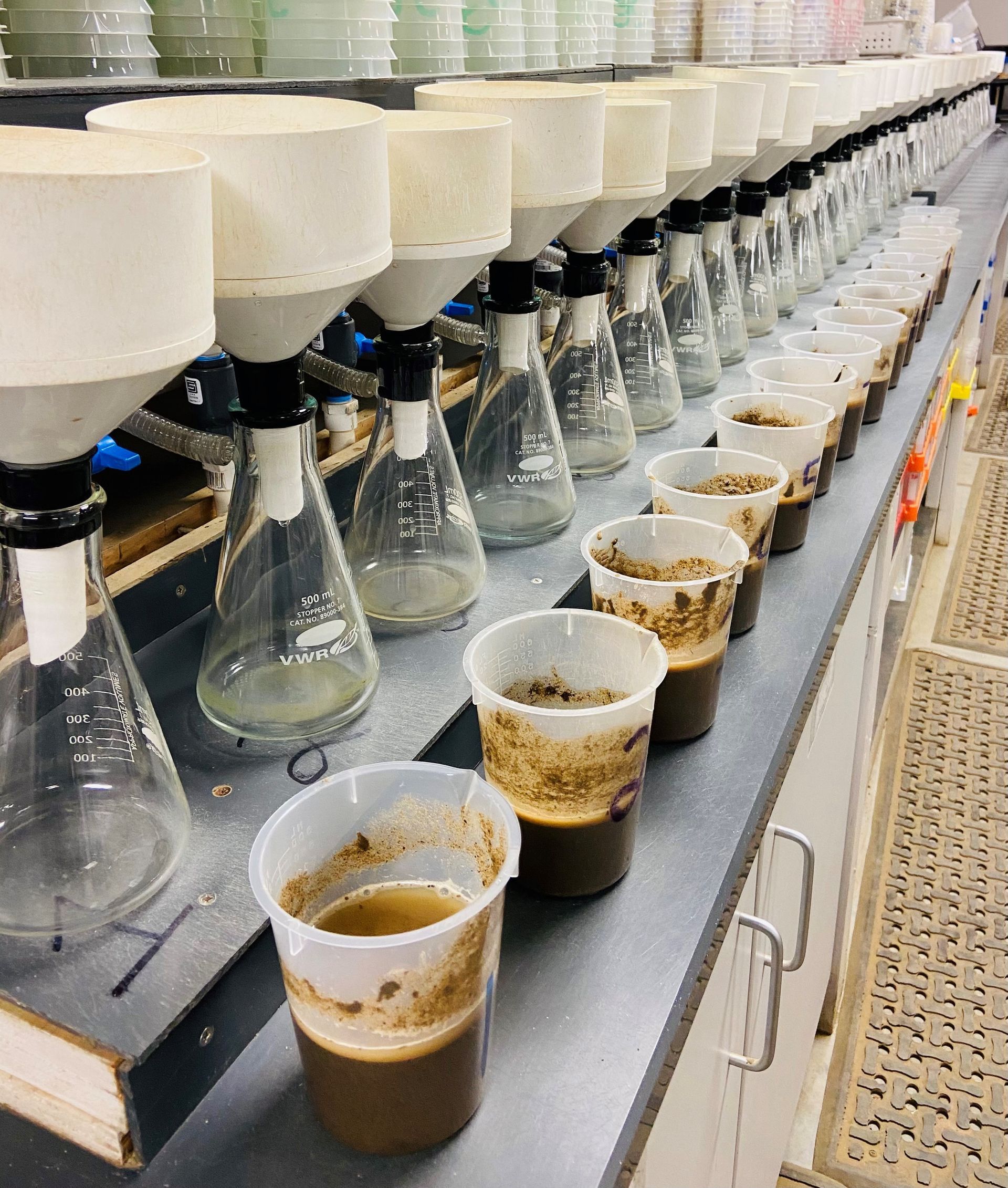
Scouting gives you the “why,” but good data helps you confirm the “what.” That’s where Brookside Labs, the Amplify Network, and the AIPro system come in.
Brookside Labs is trusted by hundreds of Amplify consultants and thousands of farmers across millions of acres for high-quality, reliable testing. Amplify consultants bring that same level of precision and accountability into every field—they live by the mindset, “If my services don’t make you money, I’ll fire myself.”
And with AIPro, the Amplify data management system, consultants can seamlessly submit samples to Brookside Labs, turn scouting observations into actionable recommendations, and keep the entire process—from field to lab to plan—organized and efficient.
Field scouting might start with a walk, but it ends with better data, smarter decisions, and more profitable acres.
Samantha Scranton
Amplify Consultant
Grizzly Ridge
Heather Rindler, CCA
Research Agronomist
Brookside Labs | Amplify Network