


Soil Health Seminar
Free, interactive seminar to demystify soil health and start laying the foundation for optimal soil health on your farm.
Soil Health 101 Seminar: Demystifying Soil Health
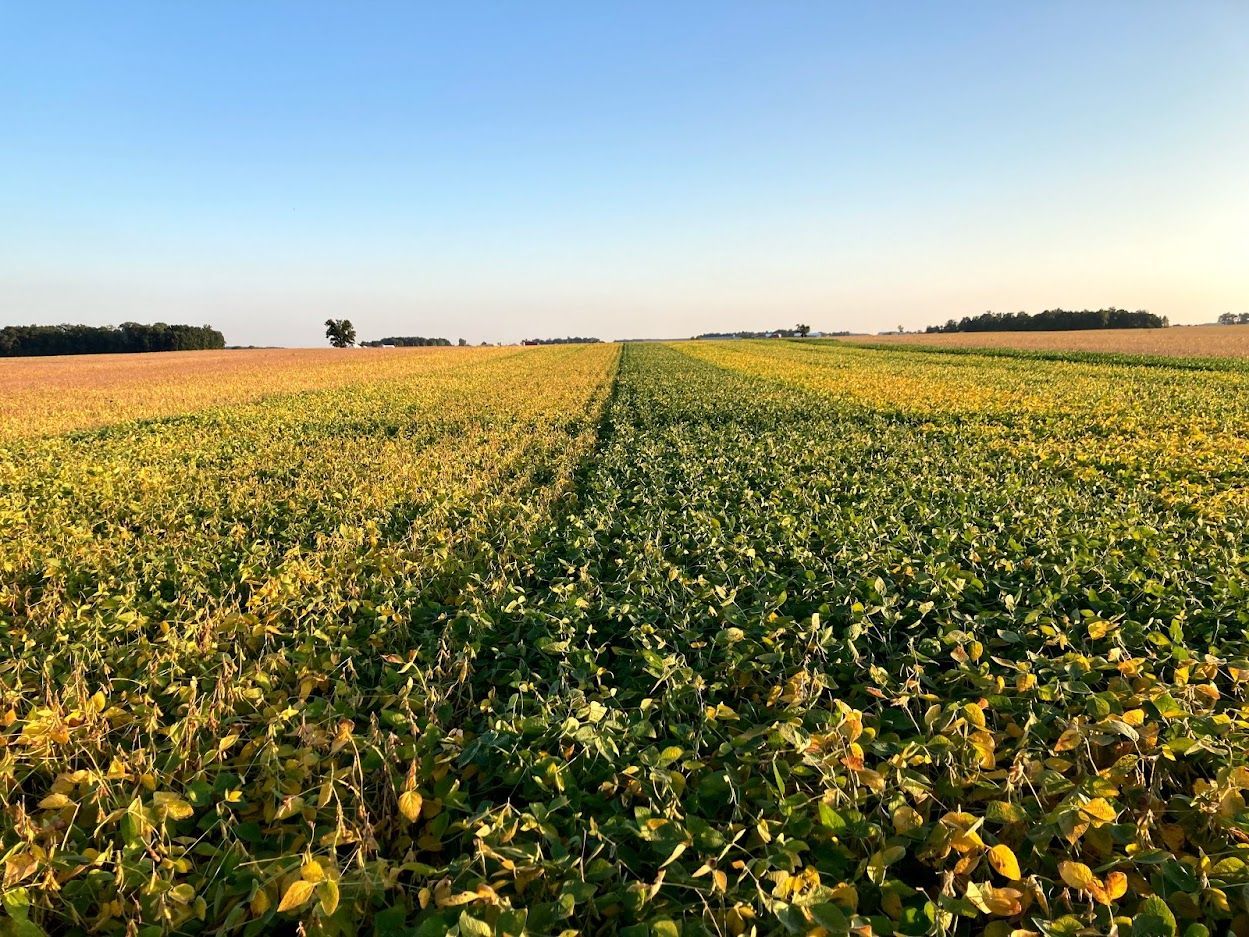
Putting What We're Learning to Work

Nitrogen is one of the most important nutrients for corn production, but determining whether a crop received the right amount can be challenging. Corn Stalk Nitrate Testing (CSNT) provides a valuable post-season "report card" on nitrogen utilization, helping growers and consultants assess whether nitrogen rates were too low, adequate, or excessive. When used alongside the Pre-Sidedress Nitrate Test (PSNT) and/or N-Min testing, Corn Stalk Nitrate Testing can provide a more complete picture of nitrogen dynamics throughout the growing season. Together, these tools help consultants make informed recommendations that optimize nitrogen use, improve profitability, and enhance environmental stewardship. Why Use Corn Stalk Nitrate Testing? Unlike in-season nitrogen tests, Corn Stalk Nitrate Testing is a post-mortem assessment of nitrogen utilization. The results help identify whether the crop had excess nitrogen available late in the season or whether nitrogen may have been limiting yield potential. By evaluating fields after harvest, growers and consultants can refine future nitrogen management strategies and make more informed fertility decisions for upcoming seasons. When Should Samples Be Collected? Corn stalk samples can be collected from two weeks prior to black layer through three weeks after black layer . Sampling during this window provides the most accurate assessment of nitrogen availability late in the growing season. How to Collect Corn Stalk Samples Follow these steps to ensure accurate and representative results: Select representative plants from the field. Avoid sampling: Unusually stunted plants Insect-damaged plants Diseased plants Plants without an ear Any other abnormal plants that do not represent the field From each plant, cut an 8-inch stalk segment beginning 6 inches above the soil surface . Remove all leaves and leaf sheaths from the stalk segment. Collect 15 stalk segments per sample . Proper Sample Handling Place each group of 15 stalk segments into a paper bag . Paper bags are preferred because they: Minimize mold development Allow moisture to escape Facilitate proper drying during shipment and storage Do not use plastic bags, as they can trap moisture and negatively impact sample quality. Using Results to Improve Nitrogen Management Corn Stalk Nitrate Testing is most powerful when used as part of a comprehensive nitrogen management program. Combining CSNT results with PSNT and N-Min testing allows consultants to evaluate nitrogen availability before, during, and after the growing season, leading to more precise fertilizer recommendations and improved nitrogen use efficiency. Want to Learn More? For more information about Corn Stalk Nitrate Testing or to develop a nitrogen management strategy for your operation, contact your local Amplify Consultant. Find a consultant here: https://www.blinc.com/become-a-consultant . You can also contact Brookside Laboratories directly at: Phone: 419-977-2766 Email: info@blinc.com Heather Rindler , CCA Brookside Labs | Amplify Network | American Ag Laboratory Interested in joining our email list to stay up to date on all things Brookside Labs, the Amplify Network, and American Ag Labs? Join HERE !

Soil health testing is an important tool for understanding how soils function and how management practices may influence those functions over time. Brookside Labs offers the soil health testing capabilities needed to support testing under the USDA Natural Resources Conservation Service (NRCS) Conservation Evaluation and Monitoring Activity 216 (CEMA 216). For producers, conservation professionals, crop consultants, and other agricultural professionals working with NRCS programs, understanding what CEMA 216 requires, and what a laboratory can provide, is an important first step. What Is CEMA 216? CEMA 216, or Conservation Evaluation and Monitoring Activity – Soil Health Testing , is an NRCS activity that provides a framework for quantitatively evaluating the biological, chemical, and physical characteristics of soil using approved laboratory methods. The activity can be used across land uses and is designed to help evaluate soil health in relation to conservation objectives. CEMA 216 establishes requirements for soil sampling, laboratory testing, documentation, interpretation, and reporting. The current April 2026 version of CEMA 216 identifies five soil processes and characteristics that must be assessed when evaluating the status of the soil ecosystem: Soil aggregation Soil carbon cycling Microbial activity Carbon food source for microorganisms Nitrogen food source for organisms Soil pH and texture are also measured to help interpret the soil health indicators. What Does CEMA 216 Require? For each of the five soil processes, CEMA 216 identifies a preferred laboratory method as well as an approved alternate method. NRCS also provides approved alternate methods for several of these indicators, including calculated SOC from loss-on-ignition organic matter, 96-hour incubation for respiration, water-extractable organic carbon, and water-extractable organic nitrogen. This flexibility allows participants and their Qualified Individuals to select appropriate laboratory methods while maintaining consistency with the CEMA 216 requirements. Brookside Labs' Soil Health Testing Options Brookside Labs offers all five of the soil processes/characteristics outlined in Table 1 of the CEMA 216 NRCS document. This includes testing for: Wet aggregate stability | Test code: S273 Soil organic carbon | Test code: S139 Soil respiration | Test code: S113 Labile carbon/POXC | Test code: S241 ACE Protein | Test code: S242 Brookside also offers soil pH and soil texture testing to support interpretation of soil health indicators. Beyond a Single Soil Health Number One of the important concepts behind CEMA 216 is that soil health is not represented by a single test. Different indicators provide information about different soil functions. Wet aggregate stability provides information about the physical soil environment and is related to water infiltration, carbon and nutrient storage, biological activity, and erosion. Soil organic carbon is related to soil structure and fertility and provides food for soil microbes. Soil respiration provides an indication of microbial activity, while labile carbon measures carbon that is readily available to microorganisms. ACE Protein provides information related to protein readily available to microbes. Looking at multiple indicators together can provide a more complete picture of how a soil is functioning. Consistency Is Key CEMA 216 can also be used to monitor the effects of conservation practices over multiple years. When monitoring changes over time, NRCS recommends consistency in several areas, including: Using the same georeferenced sampling locations Using the same sampling strategy Collecting soil under similar soil conditions Sampling at the same time of year Using the same laboratory, tests, and methods Maintaining consistency helps make changes in soil health indicators more meaningful from one sampling period to the next. Sampling Matters The laboratory test is only one part of a successful soil health assessment. CEMA 216 provides specific guidance for developing a sampling strategy and collecting samples. NRCS recommends contacting the laboratory before going to the field to obtain laboratory-specific recommendations for soil temperature, soil moisture, storage, shipping times, and other requirements for the indicators being analyzed. CEMA 216 generally calls for at least three representative sampling locations within the planning land unit, with each composite sample consisting of at least five subsamples. The CEMA 216 document also provides guidance on sampling depth, equipment, sample handling, and conditions to avoid when collecting samples. For soil health testing, proper sampling and handling are just as important as selecting the appropriate laboratory analysis. What Brookside Labs Provides—and What the QI Provides It is important to understand the distinction between laboratory testing and the overall CEMA 216 activity. CEMA 216 requires a Qualified Individual (QI) to perform and document the broader work associated with the activity. This includes developing the sampling strategy, documenting the work, interpreting results, and preparing the required deliverables for the participant and NRCS. Brookside Labs provides the laboratory testing component. The NRCS CEMA 216 document also specifies laboratory certification requirements and requires laboratories to maintain current certification through an accepted proficiency or accreditation program. Brookside Labs meets the laboratory requirements for CEMA 216 testing and offers the required soil health analyses to support the activity. Soil Health Testing Through Brookside Labs Whether you are completing a full soil health assessment, monitoring a conservation practice, or looking at an individual soil health indicator, Brookside Labs offers a range of testing options to help generate meaningful soil health data. Our goal is to provide reliable laboratory results that can be used by producers, crop consultants, conservation professionals, and NRCS partners as part of a broader soil health assessment and management process. Questions about CEMA 216 testing or which Brookside Labs test is right for your project? Call the Brookside Labs soil testing laboratory and ask for Heather : 419-977-2766 Or email Heather directly: hrindler@blinc.com We can help answer questions about available soil health analyses, sample requirements, and which Brookside Labs' testing options may fit your CEMA 216 project. Note: CEMA 216 is an NRCS conservation activity with requirements beyond laboratory testing. Producers and conservation professionals should coordinate with their Qualified Individual and local NRCS office to ensure that sampling, testing, documentation, interpretation, and deliverables meet the requirements of the specific CEMA 216 activity. Heather Rindler , CCA Brookside Labs | Amplify Network | American Agricultural Laboratory

We are excited to share some big news: Brookside Labs has acquired American Ag Labs in McCook, Nebraska. This is an important step forward for Brookside Labs, our team, our customers, and the agricultural community we are blessed to serve. For many years, American Ag Labs has built a strong reputation for serving growers, consultants, and agricultural businesses across the western Corn Belt and High Plains region. We are honored to continue building on that foundation. For Brookside Labs, this acquisition represents more than growth. It represents an opportunity to expand our reach westward, serve more people, and continue investing in the kind of agricultural testing and support that helps farmers, consultants, and businesses make better decisions. As we take this next step, our core values will continue to guide us. Servant Leadership reminds us that our first responsibility is to serve others well. Integrity-Founded keeps us grounded in doing the right thing, even when no one is watching. Cohesive Teamwork reminds us that the best outcomes happen when people work together. Being Solution Engineers challenges us to keep thinking differently, solving problems, and improving. Service Oriented keeps the customer at the center of what we do. Future Alert pushes us to prepare for what is ahead. Extreme Ownership reminds us to take responsibility. Our Go-Giver mentality reflects our belief that creating value for others is the best path to long-term success. And The Power of Together reminds us that we are better as a group than as individuals. Those values are not just words on a wall. They shape how we work in the lab, how we interact with customers, how we support one another, and how we approach opportunities like this one. We also want to recognize the American Ag Labs team. A laboratory is not just equipment, methods, and buildings. It is people. It is the care taken with every sample, the conversations with customers, the knowledge built over time, and the trust earned year after year. We are grateful for the work they have done and excited to move forward together. As with any transition, we will take time to listen, learn, and understand what has made American Ag Labs successful. We are not interested in change for the sake of change. Our goal is to observe, support, and thoughtfully improve where it makes sense. This acquisition allows Brookside Labs to better serve the agricultural community by increasing our regional presence, strengthening relationships, and continuing to provide reliable laboratory analysis backed by service, experience, and practical insight. We are thankful for the opportunity, excited for the future, and committed to honoring the trust placed in us by customers, consultants, employees, and shareholders. We are especially excited to begin serving American Ag Labs’ customers and to continue building on the relationships they have trusted for many years. Our goal is to work side by side with the American Ag Labs team, listen well, learn quickly, and serve customers with the same care and commitment they have come to expect. We look forward to interacting with many of you soon, learning more about your operations, and finding ways we can continue to support the important work you do in agriculture. There is a lot of work ahead, but we believe the best chapters are built together. Welcome, American Ag Labs. We are excited to grow forward with you. Luke Baker , PhD CEO/President Brookside Labs | Amplify | American Agricultural Laboratory

As we look ahead to an exciting season of learning, networking, and innovation, Brookside Labs and the Amplify Network are proud to announce two upcoming events that you won't want to miss. 3rd Annual Farm Forum December 17, 2026 Brookside Labs is excited to host the 3rd Annual Farm Forum in conjunction with Edison State Community College and Apple Farm Service. This free event is open to the public and designed to provide valuable education and insights for farmers, crop consultants, and agribusiness professionals. Attendees will spend the day exploring key topics and issues impacting agriculture today, learning from industry experts, and connecting with fellow agricultural professionals. Whether you're involved in crop production, agronomy, farm management, or agribusiness, the Farm Forum offers practical information to help you stay informed and prepared for the future. Admission is free, and all are welcome to attend. For event updates, speaker announcements, and additional details, be sure to follow Brookside Labs and the Amplify Network on Facebook and check Brookside Labs' event page . 75th Annual Amplify Conference January 17–20, 2027 | Nashville, Tennessee Brookside Labs and the Amplify Network are also gearing up for a milestone event—the 75th Annual Amplify Conference in Nashville. This year's conference theme, "Rooted in Tradition. Growing Through Innovation." , celebrates the rich history of agriculture while embracing the advancements shaping its future. The conference will feature industry-leading speakers, educational sessions, networking opportunities, and discussions focused on helping agricultural businesses thrive in a rapidly evolving landscape. Registration Opens Today! Registration for the 75th Annual Amplify Conference is now open. Secure your spot today through the official registration site: Register for the 2027 Amplify Conference Take advantage of early registration savings and register by September 25, 2026, to receive $100 off your conference registration. Join agricultural leaders, innovators, and professionals from across the country as we celebrate 75 years of learning, collaboration, and progress. We look forward to seeing you at both events as we continue working together to strengthen and advance agriculture for generations to come. Heather Rindler , CCA Brookside Labs | Amplify Network
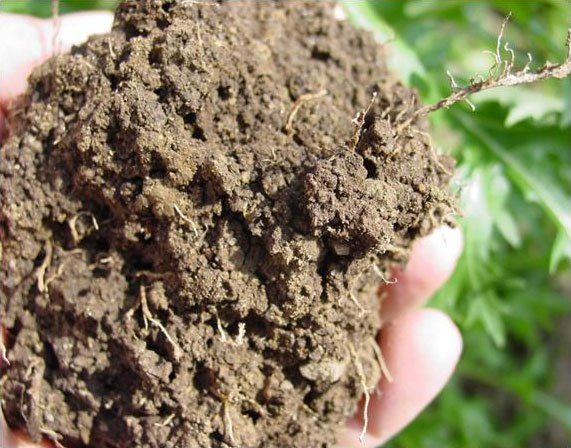
Soil Sampling is a Profit Strategy

From Early-Season Nutrition to Post-Harvest Performance
This is a subtitle for your new post
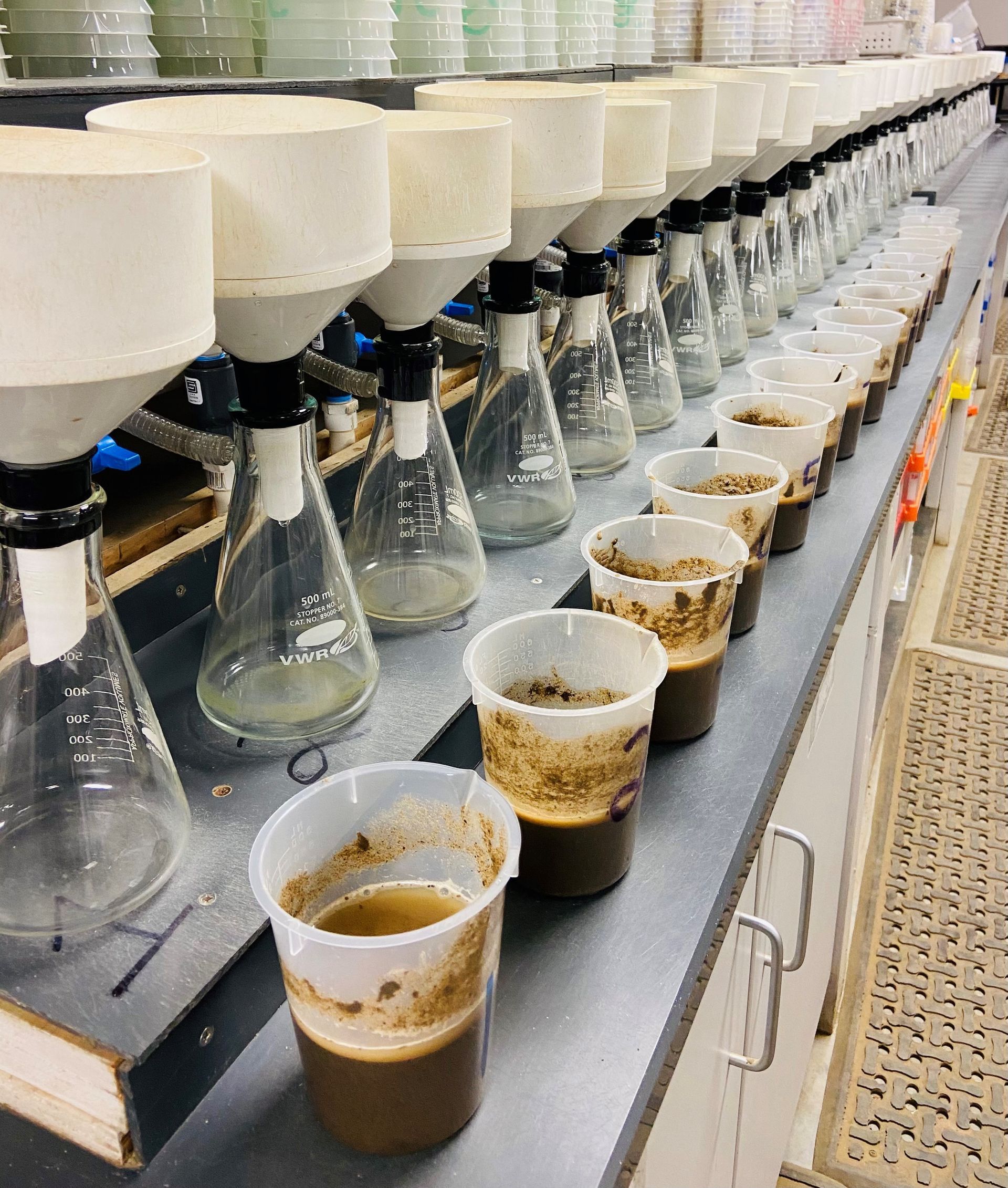
Providing another layer of insight into your soil.

Soil testing is one of the foundational steps in building an effective fertility program. When soils test within the proper balance, you can be reasonably confident they’ll produce near their potential. But soil fertility isn’t only about what’s present in the soil, it's also about what the plant can actually use. Believe it or not, nutrients can be in the soil in good supply and still fail to show up in the plant. Why? Because nutrient uptake is influenced by balance, timing, interactions, environment, and crop health. That’s where plant tissue analysis becomes the companion tool every grower should consider. Limitations of Only Soil Testing A soil test gives us the best estimate of how much nutrition is available in the soil at sampling time. It's the backbone of fertilizer decision-making. However, nutrients don’t move straight from the soil into yield. One nutrient taken up in excess—or not taken up at all—can prevent the plant from using others efficiently. Yield loss can happen even in soils that look “perfect” on paper. What Plant Tissue Analysis Tells Us Unlike soil testing, plant analysis measures the nutrients inside the growing crop, offering a real-time picture of nutritional balance. It helps: Detect nutrient deficiencies before they show symptoms Reveal nutrient interactions; both positive and negative Evaluate fertilizer and management practices Fine-tune a fertility program beyond what a soil test alone can show If you soil test regularly, apply recommended fertilizer rates, yet yield plateaus or disappoints, tissue testing is your next diagnostic tool. It’s a way to ‘look inside’ the plant and see what’s going right or wrong. Before You Pull Samples, Check the Basics Plant analysis won’t help if the crop is limited by something other than soil nutrients. Ask yourself: Am I planting proven varieties on time? Are populations and seeding rates aligned with yield goals? Are weeds, insects, and diseases controlled? Is tillage or soil structure providing a healthy root environment? If yes, and yields are still flat, it’s time to pull tissue samples. Understanding Variability in Plant Nutrients Plant nutrient concentrations are not static. They vary based on: Genetics: hybrids and varieties uptake nutrients differently Growth stage: younger plants contain higher nutrient concentrations Plant part: newly developed leaves hold the richest nutrient levels Environmental stress: drought, heat, cold, compaction, insects Nutrient interactions: excess of one element can suppress others Mineral mobility: some nutrients move internally, others don’t Because of this variability, correct sampling is crucial. Right crop, right tissue, right growth stage. Sampling Guidelines Avoid sampling: Dead, diseased, or insect-injured plants Plants stressed by drought, heat, cold, or saturation Plants heavily dusted with soil or crop protectants Leaves covered in fertilizer or foliar nutrients Crops far into the reproductive stage First thing in the morning or on dark, cloudy days (nitrate can spike artificially) Best practices: Place samples in paper bags, not plastic (plastic can induce molding much quicker) Air-dry wet tissue for at least 24 hours Provide correct crop, variety, growth stage, and plant part on the lab submittal worksheet When uncertain, sample the most recently matured leaf Submit separate “good vs. bad” samples when diagnosing a problem Fill the bag, more tissue is better than not enough One of the trickiest decisions you may face is whether a plant is nutrient-deficient, or simply diseased. For example, a soybean plant with stem or root rot will almost always test mineral-deficient, even if soil fertility is excellent. Diseased tissue clouds the results, leading to misleading conclusions. Soil Testing + Plant Analysis = Confidence Soil tests estimate what nutrients should be available. Plant analysis verifies what is actually getting into the crop. Together, they provide the clearest road map to: Diagnose nutrient problems Avoid unnecessary fertilizer spending Capture genetic yield potential Build long-term soil health and productivity If your goal is truly optimized productivity and profitability, not just ‘good enough’, pair soil testing with tissue sampling. Your crop will show you what it needs when you know how to listen. Heather Rindler , CCA Research Agronomist Brookside Labs | Amplify Network